Striving for responsible waste removal shows a commitment to accept responsibility for your actions and ensures a healthier, sustainable world for future generations. In the age of climate change, it’s time to construct and dismantle buildings responsibly. Let’s delve into the concept of responsible construction waste removal in this guide.
Materials in Green Building
In a green building project, materials selection holds special importance. Sustainable materials are those that have low environmental impact in their extraction, processing, use and disposal phases.
Newer technologies allow materials such as concrete, cellulose insulation and structural insulated panels made from renewable resources like bamboo or straw to reduce the amount of waste associated with conventional construction materials that are eco-intensive in the extraction and production phases.
Material efficiency also requires considerable optimization of their usage during construction—any wastage is a wasted opportunity.
In terms of waste disposal, the focus is often on materials that can be reused or repurposed and so can continue their life cycle.
Sustainable Waste Management
Get the Green Building Project Checklist
Use this handy checklist on your next project to keep track of all the ways you can make your home more energy-efficient and sustainable.
In line with the values of green building practices, all waste management needs to be sustainable. The goal here is to reduce environmental impact while dealing with generated waste through reuse, recycling or reprocessing for other applications.
A sustainable waste management plan should also consider the building’s future. Construction debris from planned renovations or retrofitting should be taken into account from the beginning of the design phase.
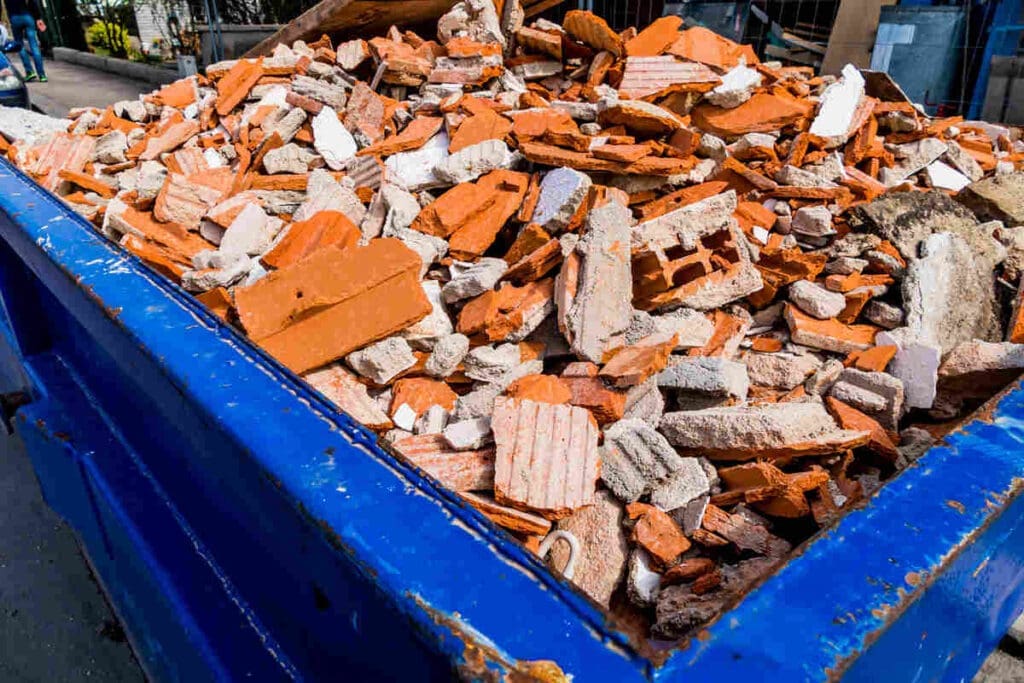
Responsible green building projects must place high importance on efficient and ethical waste removal. Waste should be carefully sorted and as much as possible sent for recycling or repurposing instead of being discarded into landfills.
The waste removal process also ensures the safety and health of those working on building projects as it eliminates potentially hazardous materials from the site.
Eco-Friendly Deconstruction
In any building project, ample consideration should be given to eco-friendly deconstruction. This process aims to carefully dismantle structures at the end of their lifecycle or in preparation for a renovation project, minimizing waste and damage to reusable parts.
Instead of haphazard and wasteful demolition, deconstruction emphasizes the recycling and reuse of materials from old structures. It plays a critical role in resource conservation, landfill diversion and economic viability, as gained materials can be sold or used in new constructions.
Ensuring a systematically planned deconstruction approach that allows for meaningful salvage operations forms an essential part of green building work.
Optimizing Recycling
Recycling forms the backbone of sustainable waste management. By repurposing waste materials, recycling helps conserve natural resources and reduce energy consumption associated with creating new materials from scratch.
Be it metal scrapings, concrete debris, leftover wood planks or old fixtures, most materials can be responsibly reprocessed for further use. Using recycled products can bring financial benefits for builders, too. You can reduce project costs while contributing to a designed circular economy where waste is seen as an asset rather than a liability.
Sustainable Waste Removal
Sustainable waste removal is a key aspect of green building. Working with professional waste removal services that prioritize sustainability can ensure that your construction waste is handled responsibly. These providers aim for maximum recovery, salvaging and recycling whatever possible from your construction site.
Engaging with service providers who have clear policies about recycling and zero-waste commitments can significantly aid your green building efforts by minimizing harm to the environment.
Such services not only dispose of waste but also help you develop a comprehensive waste management plan that complies with all relevant legislation and best industry practices. If you’re in a hurry to clean up, you can also find services that take away rubbish in the same day. A quick search for same day rubbish removal will bring up these services.
These services take away all types of construction and demolition debris, including concrete, timber, metal scraps, old wiring, etc. Crucially, they ensure maximum recycling and repurposing to prevent unnecessary landfill exploitation.
Role of Waste Sorters
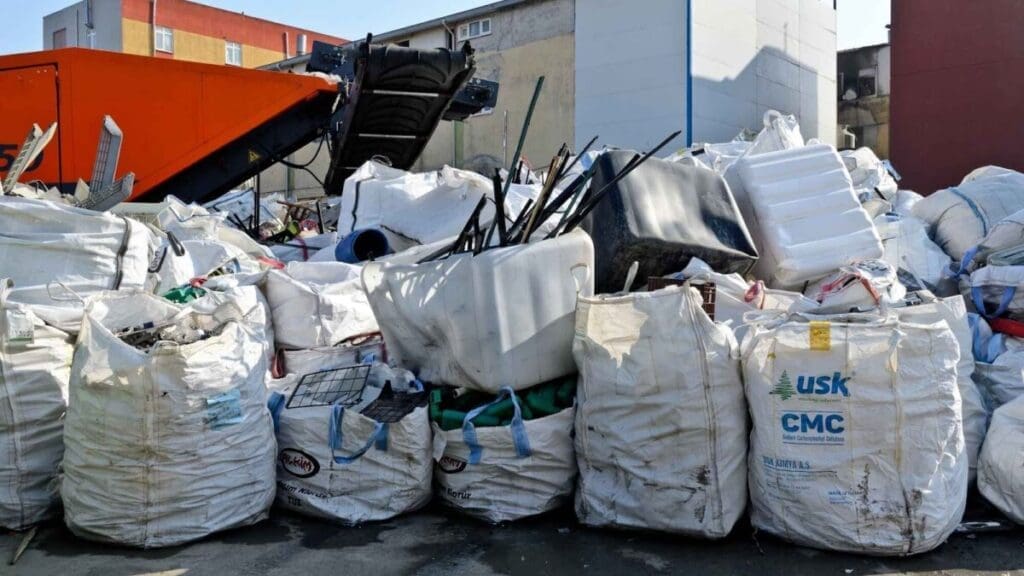
Waste sorters play a vital role in sustainable waste management. They meticulously sort through the building rubble, separating materials into different categories: recyclables, non-recyclables, hazardous and non-hazardous.
This allows for efficient recycling processes, as similar materials are bundled together. More importantly, it ensures that hazardous substances are identified and disposed of appropriately, preventing them from causing environmental or health risks.
Providing appropriate training for waste sorters is essential to ensure they can identify different types of materials and handle them in the most environmentally favourable manner.
Safe Material Disposal
Many common construction materials can be harmful if not disposed of safely. For instance, asbestos is carcinogenic, old paint or solvents can introduce toxins into groundwater and plastics can disrupt marine life if they end up in oceans.
Green builders need to familiarize themselves with suitable disposal methods for each type of waste material produced on-site. This includes responsibly diverting recyclable resources while ensuring that harmful substances are properly neutralized before their disposal.
In this endeavour, following local regulations and working with licensed waste disposal facilities can be a great help.
Bio-Waste in Green Building
Sustainable building design considers even small details like organic waste. Bio-waste from construction—materials like unused lumber, drywall scraps, discarded plant matter from landscaping and food scraps—often goes directly into landfills. Allowing this waste to decompose anaerobically generates methane, a potent greenhouse gas. Thoughtfully diverting bio-waste can mitigate environmental impact.
Particularly, the removal of garden waste like plant trimmings, grass clippings and leaves requires a plan. Composting facilities can process this type of construction bio-waste into nourishing mulch or soil amendments. These can then nourish onsite landscaping. Having a garden waste removal process in place keeps this material out of landfills and transforms it into a usable resource.
Wastewater from facilities onsite can also go into aerobic digestion systems prior to release, rather than risking contamination. Pursuing comprehensive composting and responsible wastewater management transforms bio-waste from a liability into an asset. The conscientious handling of organic waste streams, however small, marks the attention to detail that defines sustainable building.
Hazardous Waste Handling
Construction sites typically generate hazardous wastes such as solvents, paints, varnishes and other substances. When not managed correctly these can cause severe harm to the environment and pose health risks to individuals on-site or near the disposal area.
Proper procedures must be adhered to for handling and disposing hazardous waste. First, identify all potential sources of hazardous waste from your project. Then ensure they are safely stored in appropriate containers, preventing leaks or spills. Work with licensed disposal providers who use eco-friendly methods to neutralize such materials.
Periodical staff training on how to handle hazardous waste, along with regular audits, can ensure safety standards and environmental compliance.