

Many people have started to look around their homes and realize how many things produce carbon emissions, and they are considering making some changes to help reduce their own carbon footprint.
There are many changes you can make in your day-to-day life that can help with this project and many of these changes can start in your home.
If you want to work on making the earth a better place to live, have a look through these suggestions on how to decarbonize your home and minimize or eliminate the amount of fossil fuels your home consumes.
Note that we’ll focus here on operational carbon, as opposed to embodied carbon, which most of us won’t be in a realistic position to tackle.
What Does It Mean to Decarbonize Your Home?
Energy production from fossil fuel-based sources leads to carbon emissions, so if you want to decarbonize your home as fully as you can, a big step is to make a switch from fossil-fuel based energy sources to renewable ones.
Some of us in Canada will have an easier time doing that than others. People who live in places powered by hydroelectricity or wind, for example, have a sizeable leg up over those whose utility companies provide energy from oil, gas or coal.
But those who live in regions dominated by fossil fuels can still work towards decarbonization.

Get the Green Building Project Checklist
Use this handy checklist on your next project to keep track of all the ways you can make your home more energy-efficient and sustainable.
Some of the world’s top culprits in terms of carbon emissions include transportation, electricity and heat. You can help decarbonize your home by reducing or eliminating things that are wasting energy in these departments, switching to items that were made using less energy and finding ways to produce your own energy.
These are the most effective ways to lower your consumption of fossil fuels, and they are fantastic ways to reduce the carbon emissions associated with your home.
What Steps Can I Take to Reduce My Home’s Carbon Emissions?

Many people don’t understand how big their home’s carbon footprint is until they start paying attention to how much it consumes. There are plenty of great online calculators that can help you figure out an estimate, and that estimate can make a good starting point for assessing how effective your decarbonization strategies are as you deploy them.
There are plenty of simple changes you can make every day to reduce whatever number you get, so let’s have a look at a few of them.
Decarbonize Your Energy Supply
In some places in Canada, it’s possible to choose your own energy provider. Choosing one that doesn’t rely on fossil fuels is a straightforward way to decarbonize your home.
Some providers supply their customers with a percentage of power that comes from renewable sources, so choosing one of those providers would make a dent in your home’s footprint, although it wouldn’t decarbonize you completely.
Make Your Own Energy
For those who don’t have a choice of energy providers and have to rely on fossil fuel companies to heat and power their homes, installing renewable energy systems has become a cost-effective and feasible way to get off of carbon fuel sources.
If you have thought about making your own energy, have a look at what it would take to install solar panels onto your roof. Wind power is another great option that many people have been using for large properties.
Geothermal is a third option that’s become more common and less expensive over the past decade. There are many choices for renewable energy systems, and the payback period might be shorter than you think.
Electrify What You Can
Ditch the gas by switching to electric stoves and heating. Air source heat pumps are at the point where they can minimize or even eliminate the need for a traditional furnace in many places. This might be a large investment, but it is worth it when it comes to keeping your home as environmentally friendly as possible.
Of course, this will be most useful in places where electricity comes from a clean source of power. If your electricity comes from coal, a gas stove might actually produce fewer emissions.
Use Natural Lighting
Installing skylights or larger windows is a great way to bring in some extra lighting in the daytime and reduce your daily energy consumption. It also makes the room look much larger and gives you plenty of fantastic health benefits when compared to electric interior lights.
Consider Automating Appliances
Smart home additions can be helpful for those who can’t decarbonize completely, but want to make sure their appliances are only using energy in their home when it’s necessary.
Timed appliances have been around for a long time (like your old automatic drip coffee maker), but they have become far more advanced, and many of them are wi-fi enabled, so you can see when it is running and turn it off if nobody is using it.
“Energy-saving appliances are in high demand, and the investment will be worthwhile if you decide to sell your home in the future,” says Forever Homes co-founder Richard Fung. If you don’t have the funds to upgrade all of your household items, have a look at doing some energy saving with the ones you already have.
Many items come with an energy-saving setting that will turn the device off after a certain amount of time with no usage, and this is a great way to make sure you don’t have a house full of running televisions when nobody is home.
Reduce Your Home’s Impact Through Lifestyle Changes
Using less transportation in your daily life, reducing the amount of power you are using and figuring out natural alternatives to carbon-producing products are all small changes that add up to a big impact. Let’s have a look at a few changes you can make to use less energy in your home.
If you’re purchasing a home, think about size and location. Smaller homes will consume less energy than larger homes, and homes closer to amenities and public transportation will give you more options to ditch the car and the emissions associated with it.
Look for plastic-free alternatives. Plastic production produces tons of carbon emissions, and many companies have started creating plastic-free versions of their products to make it easier for consumers. Look for household products that are free of extra plastic packaging.
Get thrifty by looking for household items at thrift stores instead of buying them brand new. That amazing sustainably-made bamboo hutch looks great online, but it will require a large amount of packaging and travel to get to your front door. Consider reducing landfill waste by buying something locally instead.
Eat locally. One way you can reduce your carbon emissions every day is by paying close attention to what you eat and where it is coming from.
Some countries import food at a lower price, but this food travels a long way, and it is often packaged multiple times to ensure it stays fresh while it is travelling. All of this extra packaging and fuel adds up over time, and that is why people have started to consider local produce over buying from the supermarket.
If you want to reduce your emissions even more by eliminating a trip to the grocery store, you can look into growing your own fruits and vegetables in your yard. Do some research into what grows best in your area and use natural methods (like natural pesticides and compost) to get yourself a great harvest.
Conclusion
These are just a few ways you can decarbonize your home, either partially or as completely as you can. There are many great reasons to do better for the environment, and many of these changes to your everyday life are easy to make.
You can use some of these tips to help minimize your home’s carbon emissions and help you live a cleaner life.
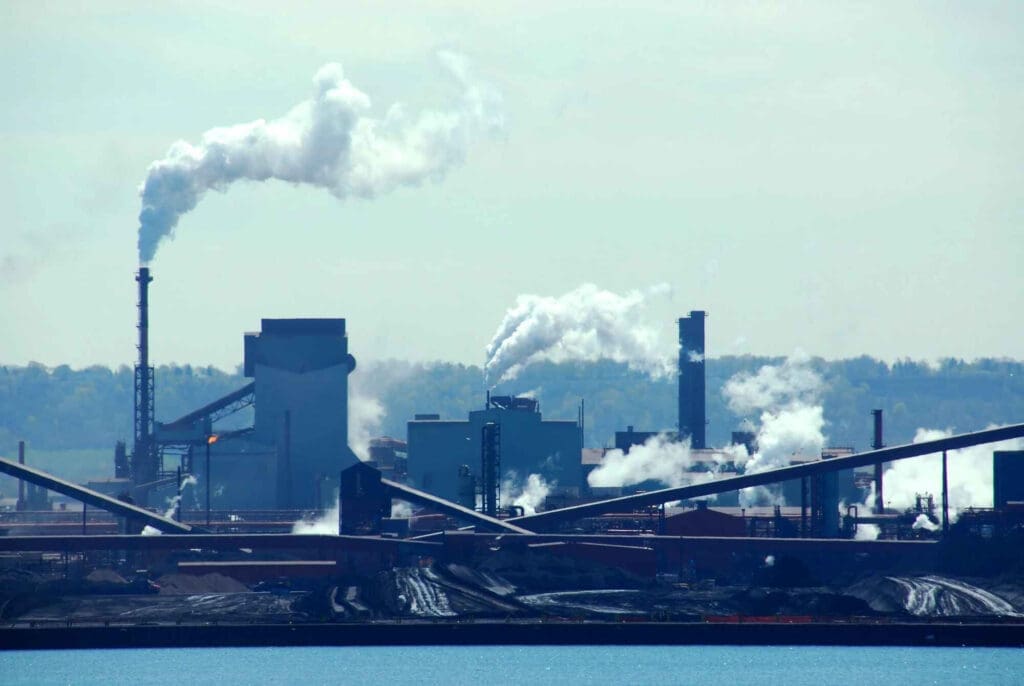
Remember, though, that the carbon emissions associated with your home and your lifestyle are tiny in comparison to those generated by industries like the oil and gas sector. If we really want to lower Canada’s carbon consumption, we need to tackle the big emitters and hold them accountable for what they produce.
Feature image: Almada Studio; Image 1: Trinity Nguyen


Loved the article but the ads are overwhelming and distracting.