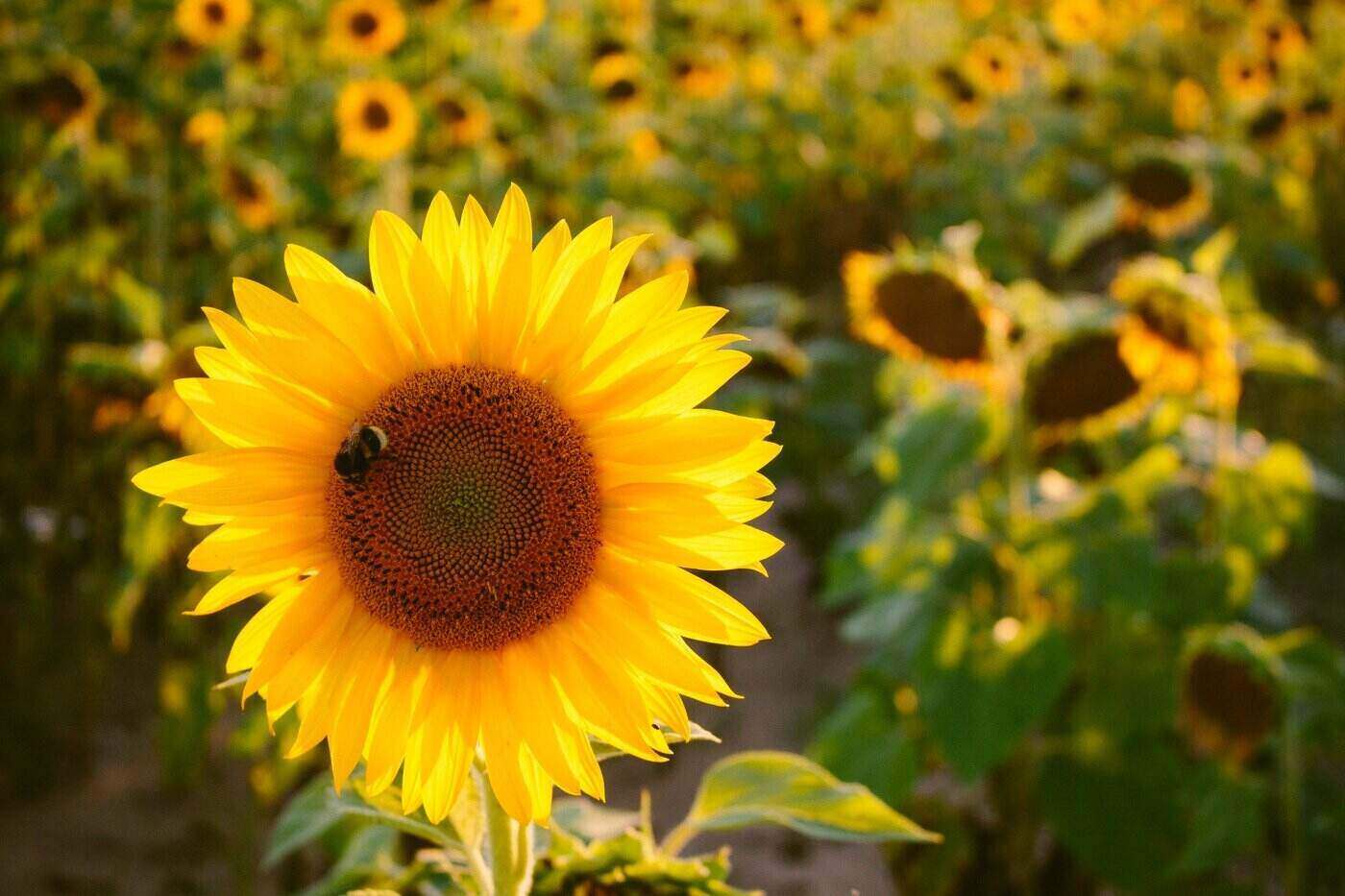
Bees, moths, butterflies, beetles, and wasps play a crucial role in food production, with 87% of the world’s food crop supply relying on them, according to 2020 York University research. However, over the last few decades, bee populations have been declining at a very high rate. In fact the study, authored by Sandra Rehan and Minna Mathiasson, found “a 94 percent loss of plant-pollinator networks” has occurred over the past 30 years.
The decline in population is due to climate change, pesticide use, invasive species and the fact that bees have lost a huge percentage of their habitats to things like development, mono-cropping, and logging.
To protect the world’s food supply, numerous solar energy farms in North America have started turning their farms into pollinator-friendly farms. After all, how will the world benefit from clean energy if the population starts to decline due to low food production thanks to the high rate of habitat loss!
Whether you have a solar farm and want to keep bees, or just want to make your solar panels more pollinator-friendly, here are a few tips to help you maximize your solar panel usage for beekeeping.
1. Add Solar-Powered Coolers to Your Beehives
Worker bees tend to be less active during mid and late summer when the temperature is too high. This means that they will start producing less honey. So instead of allowing your production to reduce, why don’t you install some solar-powered coolers or a solar attic fan?
These ventilators will help keep the colony healthier and keep the worker bees from feeling fatigued by the heat. This ventilator has a thermostat that controls the fans making sure that the temperature in the hive is maintained at a certain level.
And the good thing about this system is that the solar panel is mounted on a movable arm so that you can adjust its position during the day for maximum exposure to the sunlight. This system replaces the warm air in the hive with fresh ambient air.

Get the Green Building Project Checklist
Use this handy checklist on your next project to keep track of all the ways you can make your home more energy-efficient and sustainable.
2. Position Solar Panels to Ensure that Bee-Friendly Plants Get Evening or Morning Sun
Solar panels benefit more from the midday sunlight; that is the best time for them to generate more electricity. So when installing your solar panels, you should consider the plants growing beneath them and position them in a way that the sun can reach them either in the evening or morning. After all, even though they thrive in the shade, these plants also need partial sun.
3. Plant Bee-Friendly Crops that Can’t Thrive in Direct Sunlight Under the Solar Panels
Instead of using your solar farm only to produce green energy, you can convert the farm into a unique pollinator habitat. And one of the best ways to do this is to install your solar panels in a way that creates a shade for some of the bee-friendly plants you plan on planting.
After all, pollinators will find the flowers anywhere, even under the shade created by the solar panels. Some plants that require partial shade and can be planted under solar panels include jewelweed, lily of the valley, money plant, cardinal flowers, and Joe-Pye weed, among others.
4. Leave Enough Space Between Rows of Solar Panels for Planting Bee-Friendly Plants
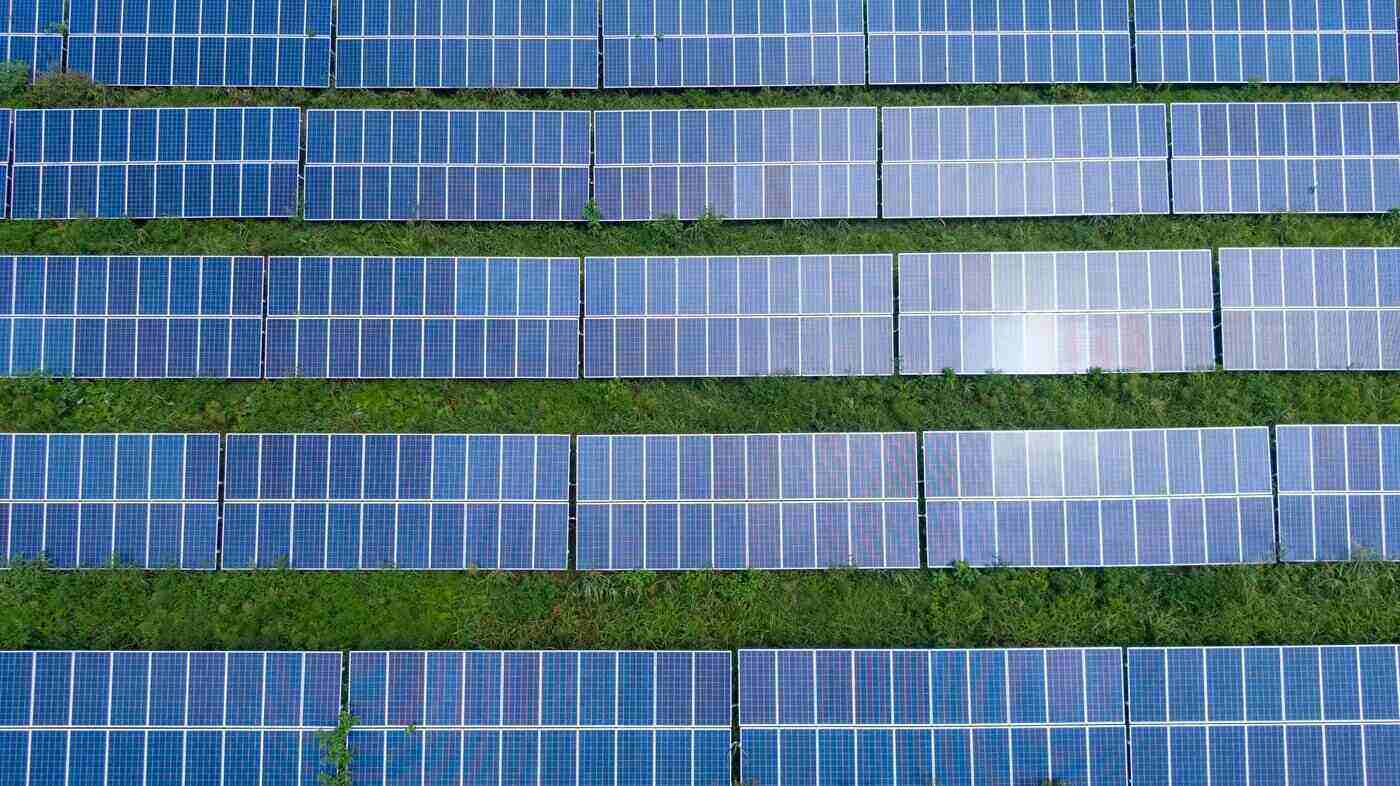
Planting native bee-friendly crops around your solar panels can help attract bees to a solar farm and guarantee them a year’s supply of nectar. This can also guarantee you a supply of honey if you choose to keep bees around your solar farm.
The bees will also help the plants to thrive, so make sure you leave more than enough space between the rows of solar panels for these plants to grow and spread. As a bonus, these plants can also serve as cover crops and help the soil conserve some moisture. But make sure you plant bee-friendly crops that are naturally short and won’t cast a shadow over the solar panels and prevent them from generating sufficient energy.
5. Plant Drought-Resistant Native Plants on Your Solar Farm
Summer is associated with drought and high temperatures; therefore, you should plant drought-resistant bee-friendly crops and flowers that can blossom in spring and still provide nectar all summer long, despite the low moisture levels in the soil. With solar panels providing the needed shade, bees can still get nectar in mid-summer when the temperature is too high, and many plants have dried up.
You can also plant both perennial and annual crops on your solar farm. With perennial plants, you will never have to replant them every season. Plants like wax mallow, downy skullcap, cardinal flower, early meadow-rue, and Joe-Pye weeds can cater to the bee population for many years.
6. Use a Solar-Powered Honey Extractor
If you keep bees on your solar farm, you can purchase a solar-powered extractor instead of using a manual or electricity-powered extractor. A solar-powered extractor will save you some cash on your electricity bill while producing no emissions. A solar-powered extractor can help you harvest your honey and still keep your carbon footprint as low as possible.
7. Water Bee-Friendly Plants Using a Solar-Powered Irrigation Machine
Since increasing the population of bees is the main goal of planting the bee-friendly flowers on your solar farm, then you should do everything in your power to ensure that they thrive. This means watering the crops, weeding, pruning and pest control.
So when your pollinator-friendly crops need watering, consider a solar-powered irrigation system. With the crops thriving, the bees will never lack nectar, and if you keep bees yourself, you will also never lack honey.
Final Thoughts
With human intervention being the main cause of habitat loss, we should do our part and help provide for bees if we don’t want more of them to be declared endangered species. So instead of planting nothing around our solar panels, we should create pollinator-friendly habitats where bees can get more than enough nectar.
Feature image: Karol Wiśniewski; Image 1: Kelly Lacy