What is sustainable energy? It includes various natural energy sources such as solar, wind, geothermal, ocean, biomass, hydroelectric and hydrogen. Its goal is to provide a safe energy source for all while aiming for energy conservation.
Electricity is by far one of the most needed forms of energy today. One increasingly popular and accessible way to generate it is to harness energy from the sun. Many households in Canada that consume substantial amounts of electricity daily are now considering solar panel installations.
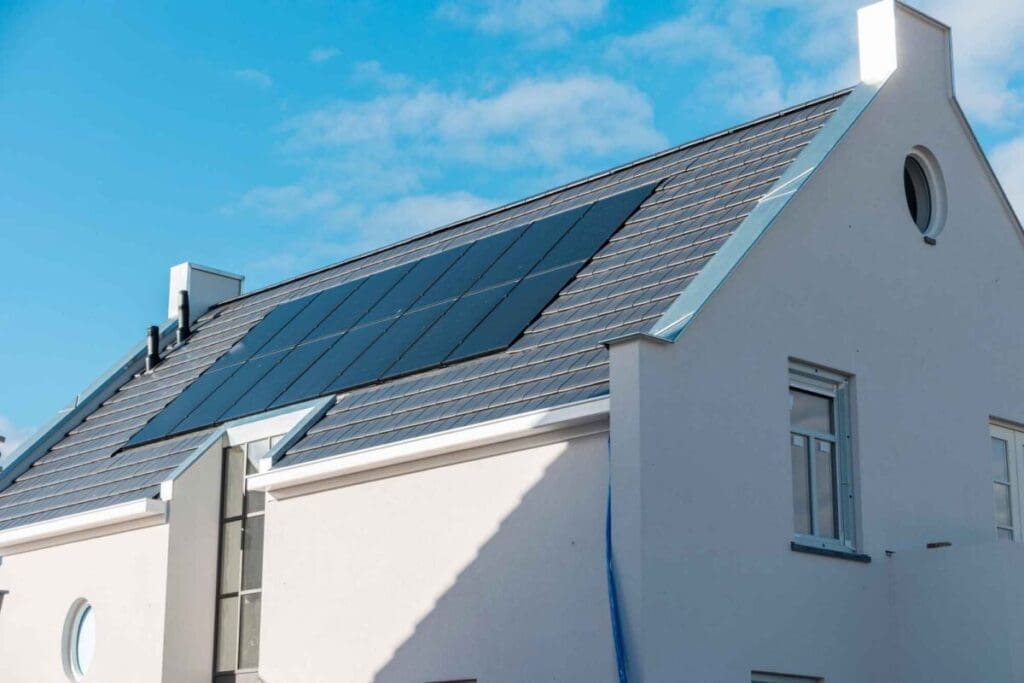
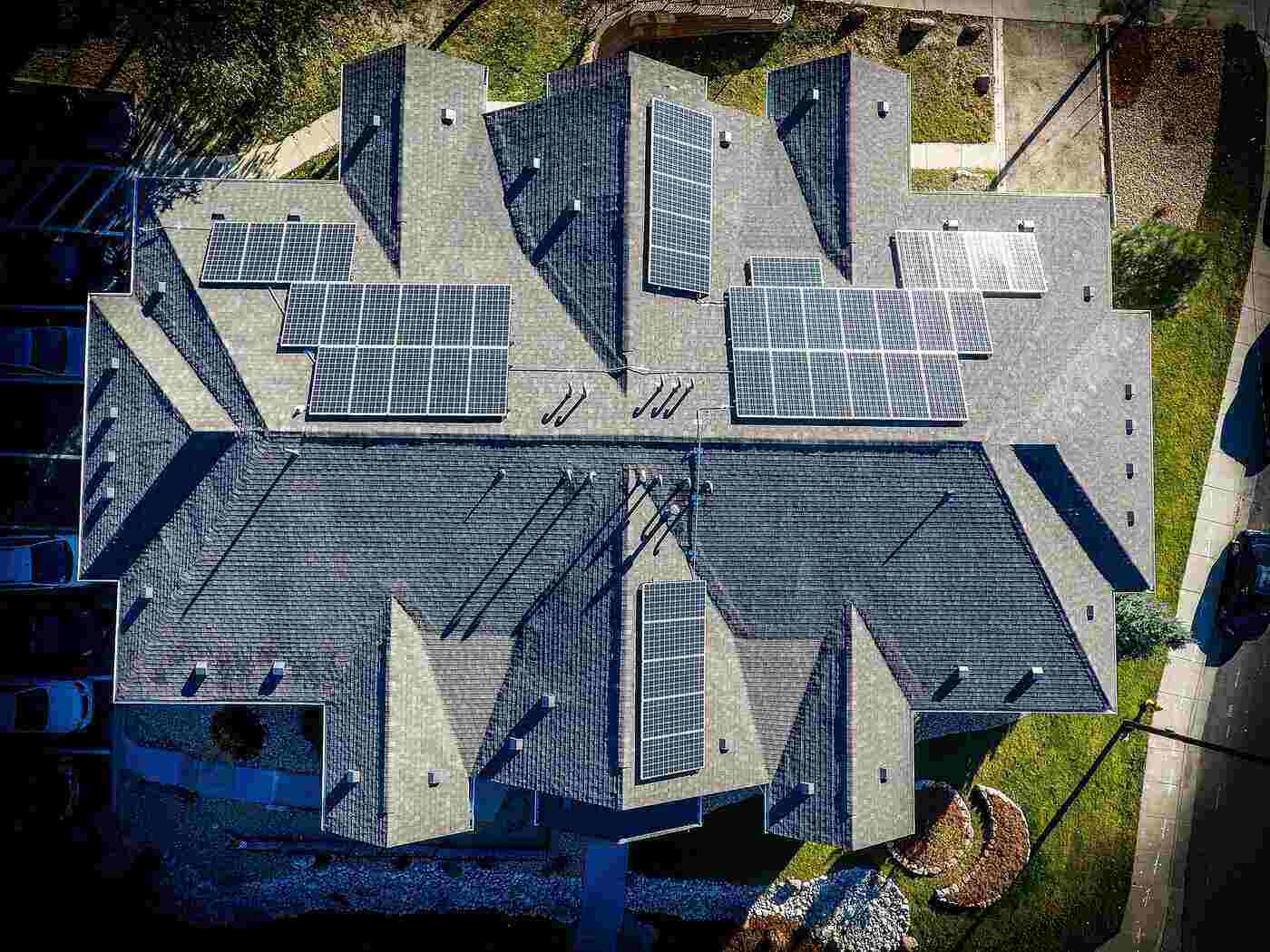
If you are one of those householders, you should know that there are two main ways to install solar panels: ground mounted or rooftop mounted. The latter is by far the most common since most people don’t have the space to put their solar panels on the ground and the roof makes a good home for the panels since it’s high up and less likely to be obstructed by trees and buildings.
The question now is, “is your roof solar panel ready?” This is an important question you should take into account. If you are considering switching to this more sustainable energy source, you’ll need to prepare your roof for solar panel installation. Here are some easy steps to make sure that your roof is solar panel ready.
1. Conduct a Roof Inspection with the Help of a Professional
The first step to a solar panel ready roof is to check for the integrity of the roof. It is crucial that before installation, you should have an engineer, an architect or roofer check if the roof has enough strength. The roof needs to be able to carry the additional weight of the solar panels.
Furthermore, a professional will also ensure that the combined strength of the roof and the solar panels can withstand the average wind and snow load and the changing weather.
Every region will have different environmental challenges to work with, so even if you had some experience installing a solar system, it would still make sense to ask a professional for an assessment of your new set up.
Get the Green Building Project Checklist
Use this handy checklist on your next project to keep track of all the ways you can make your home more energy-efficient and sustainable.
2. Measure the Roof Area
The next step will be roof area measurement. The roof area is vital information needed to estimate the exact number of solar panels necessary for installation.
The roof plan from your house design is a big help in determining roof dimensions. Once the total roof area is obtained, you can plan out the number of panels and the size of system that will work best for your site.
3. Examine Any Possible Shadow Obstructions
Once you know the square footage of roof available to you, you will need to identify possible areas where overhanging structures are present.
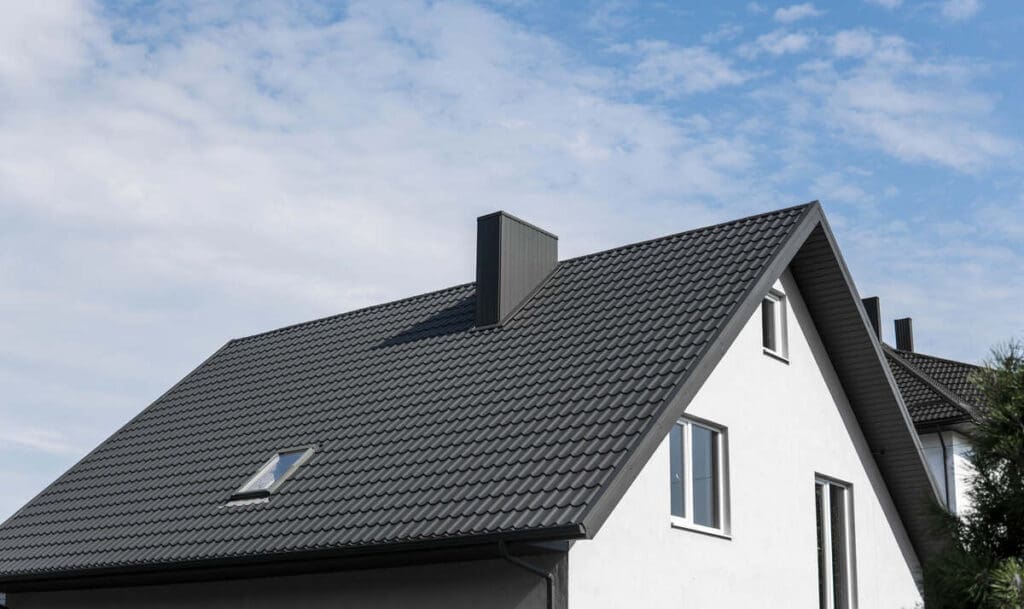
Most of the time, these will be rooftop fixtures such as chimneys, antennas and overhanging tree branches. Once these shadow obstructions are identified, you will know where to install your solar panels such that they’re free from unnecessary shade.
Overhanging branches can be carefully removed by a trained arborist to ensure that your roof enjoys maximum sunshine without harming your trees.
4. Select New Location for Any Affected Roof Fixtures

Roof fixtures that will be affected during solar panel installation, such as antennas, should be relocated. Plan out where to relocate your roof fixtures, if there are any.
It may be additional work, but it is needed to maximize the roof area you have for your solar system, free from unnecessary obstructions. This also ensures a smooth installation process.
5. Maximize Sunlight Exposure
Maximizing sunlight exposure has everything to do with knowing the angle of the roof and the direction it faces. It is essential to know where the sun rises and sets in your area, as well as the angles at which it will strike your roof throughout the year.
Finding the angles of the sun’s rays, as well as the angle of the roof slope, is crucial to maximize the exposure the solar panels will have to the sun. This is a matter of calculation for those who are going to DIY their solar system, and there are a number of online calculators that can help you arrive at the correct angles for placement.
If your roof pitch and orientation aren’t ideal, that doesn’t mean that a solar system won’t work for you. You might need to invest in panels with a higher efficiency rating and to maximize the efficiency of the system as a whole. This will add to the price tag, and the payback period might be longer, but solar is still likely to be a worthwhile investment.
6. Ensure Safe Roof Access
Pointing out areas on the roof where you or any installation workers should step on is also a crucial step. Efficient roof access ensures a smooth installation process and gives the workers a safe space while working.
Check out your roof plan and jot down where the stronger structures are located, such as beams, trusses and the top of the column. These locations are your possible roof access points.
7. Ready the Copy of Your Wiring Diagram
Finally, if you’re going to DIY your solar system, you’ll need to prepare your electrical plan. For the solar panels to transmit the generated electrical energy, they’ll need to be wired safely and correctly to your home.
Unless you have experience with electrical wiring, a licensed electrician should help you with this part. If you plan on tying your panels into the grid, then by law, this work will need to be done by a professional.
Takeaway
Solar energy is a readily available and accessible option for sustainable energy production. It will not only generate free electricity but also promotes energy conservation.
It is true that acquiring solar panels, plus the installation process, requires a lump sum of money. However, the long-term benefits that it can provide to your household are of more value.
Solar panel installation is way smoother if your roof is solar panel ready. So use these steps to prepare your roof for the big installation.
Feature image: Charlie WIlde; Image 1: Min An