
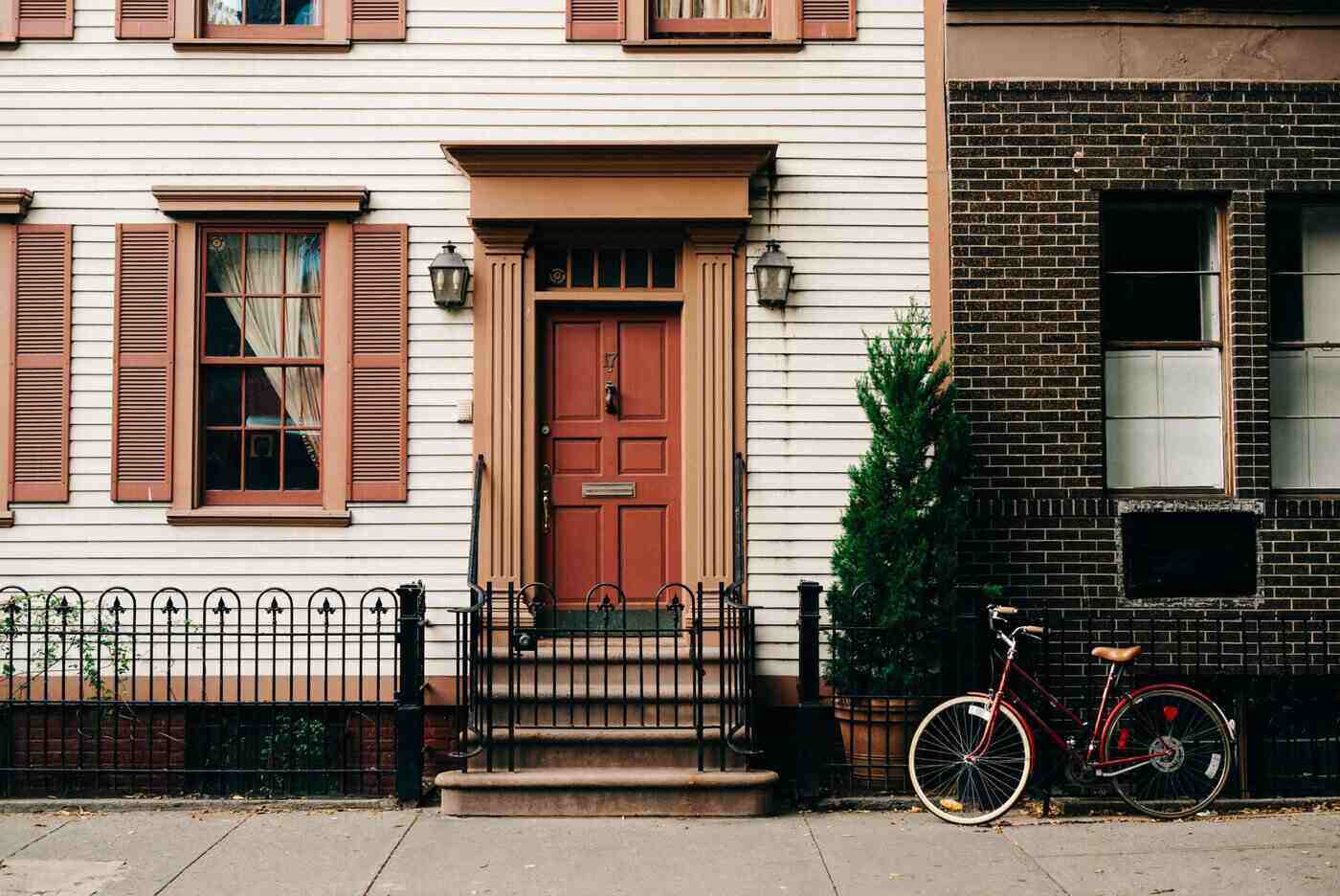
If you’re keen to lower your carbon footprint and do your bit for the environment, your first port of call should be to make your home more eco-friendly since we spend a great deal of time in our homes. Some improvements can be made quickly with no cost at all, while others will require an upfront expense but result in long-term savings by slashing energy bills. In this guide, we’re going to look at some of the best ways you can make your home more sustainable.
1. Install High-Performance Windows
About 30 percent of the heat in our homes is lost through windows. Cutting your energy loss here could mean sealing window gaps with caulking and weatherstripping or it could mean changing your windows completely.
New technologies are constantly being introduced to prevent heat loss from occurring, including low-E coatings, energy-efficient windows and building integrated photovoltaics windows. Although investing in the best rated triple pane windows throughout the home can be a costly investment, if your windows are the older, single-pane type, this purchase could really pay off in the long-term.
For a more details on this topic read Triple-Pane Windows in Canada – Are They Worth It?
2. Consider Solar Panels
A significant number of property owners are now choosing to add solar panels to their roofs. These panels use sunlight which is converted to electrical energy and is used as a form of heating or cooling.
Get the Green Building Project Checklist
Use this handy checklist on your next project to keep track of all the ways you can make your home more energy-efficient and sustainable.
With no mechanical or electrical equipment necessary, the DC energy from the sun is converted to AC energy. This is a sustainable option as it cuts down on the amount of electricity you’ll use on a day-to-day basis. As a result, you’ll be spending far less on your energy bills. You’ll also make your home more sustainable by running it on clean energy.
3. Invest in Energy-Efficient Appliances
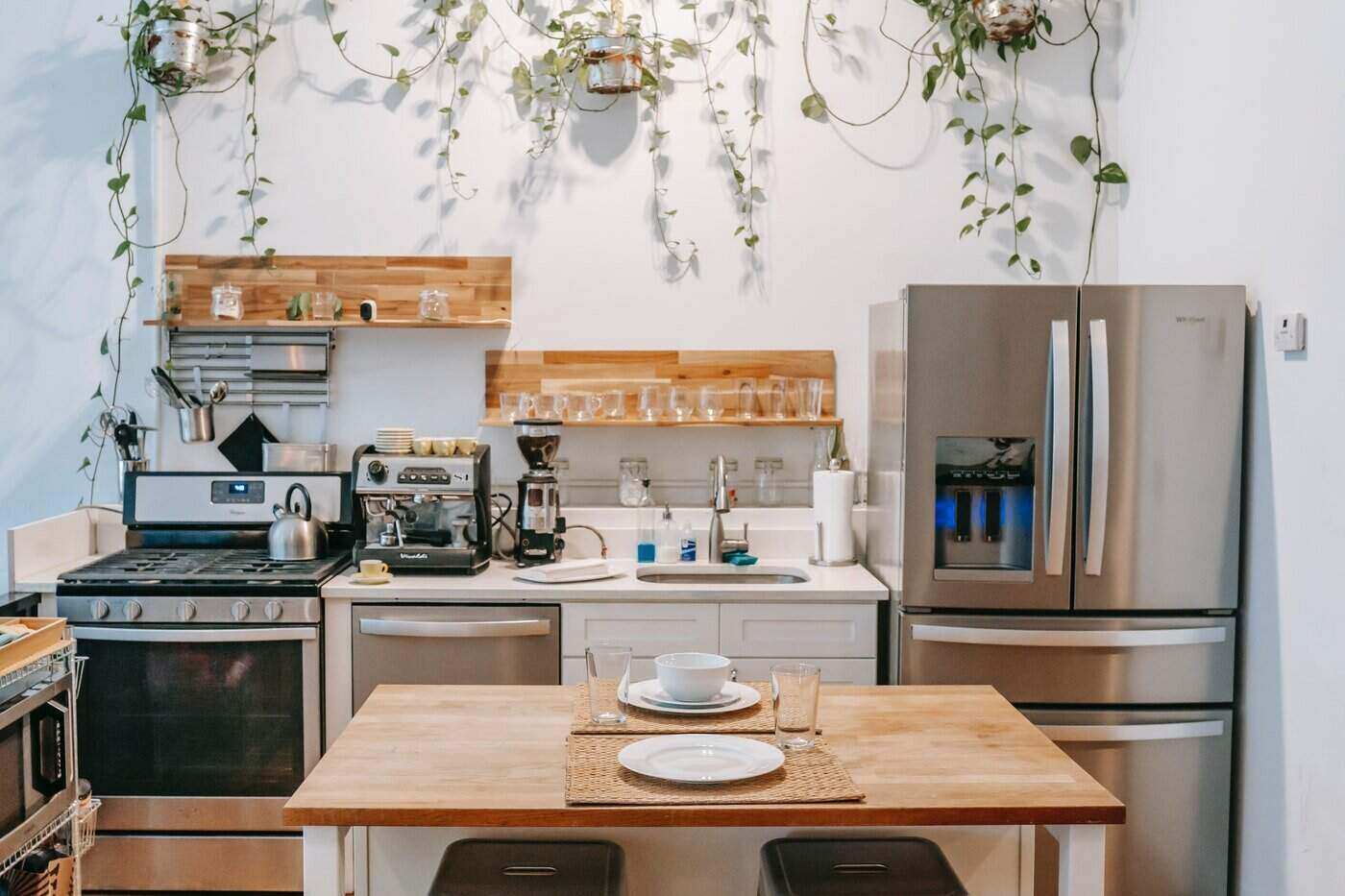
Consider the number of appliances you use daily and the amount of energy that each takes to operate. HVAC systems are the biggest energy consumers in the home since they consume a lot of energy and are left running for hours throughout the day.
Some of the other appliances in the home that you might want to consider swapping for energy-efficient alternatives include:
- Dishwashers
- Washing machines
- Microwaves
- Ovens
While it wouldn’t be eco-friendly to toss aging appliances (or even worth it, in terms of recouping your investment), finding new homes for old appliances when they’ve outlived their usefulness and looking for new products that meet Energy Star requirements would be an environmentally-savvy decision.
Moreover, keeping your existing appliances in good condition will also help reduce energy consumption and extend their lifespan. Scheduling a regular HVAC repair, as well as inspections, can help ensure your system is running efficiently. Such small steps toward energy efficiency can add up to significant savings in the long run.
4. Add Insulation
After sealing air leaks, adding insulation is the best way to save energy and keep your heated or cooled air in your home. If you’ve bought a home that has inadequate insulation, or a home from an older time when nobody thought about insulating walls, it’s time to add insulation to floors, walls and attics.
Insulation will help keep the warmth during winter for as long as possible and keep the house much cooler during summer, so you will save loads of energy on heating and cooling your house.
Many homeowners make the mistake of failing to insulate their loft—and it’s very easy to forget. Hardly any of us regularly go up to the loft, so you may never have considered it; however, a great deal of heat is lost through the roof despite taking other precautions to conserve heat.
It can be difficult to spot whether you have an attic insulation issue, so if you’re unsure hire a specialist to carry out an inspection to inform you of where improvements could be made to retain heat and make your home more sustainable. Some of the key signs of a poorly insulated attic include mouldy walls, frozen pipes, and drafts.
5. Fix Any Broken Plumbing
Something as simple as a leaky tap wastes a lot more water than you can imagine. Worse, a broken pipe doesn’t just waste water, but could ruin your walls or ceiling or may even flood your house. Water damage can also lead to mould, which leads to respiratory and other health issues.
Because leaking water is such a major problem, save your home and your health and fix any plumbing issues right away. Since plumbing issues can affect your neighbours as well, it’s good to get it taken care of and avoid straining new relationships (as well as potential legal issues!).
6. Use More Efficient Lights
If the home you’ve purchased still has older bulbs, swap them out for LEDs as soon as they burn out. LED bulbs are now affordable and come in warm colours that mimic the look of incandescent bulbs. They use much less energy than incandescent bulbs and last for a long time so they make a great investment.
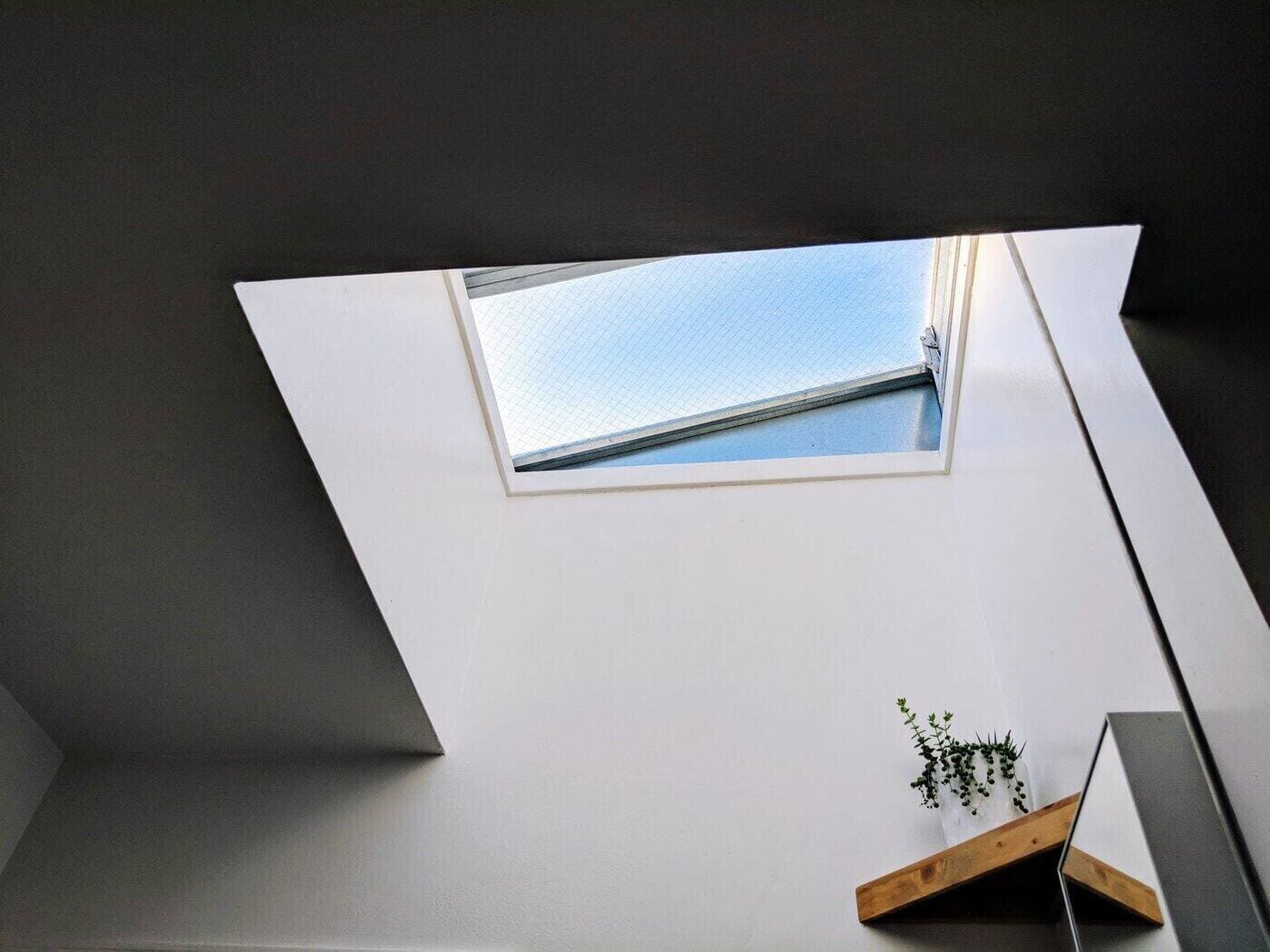
Another great option, if you have the budget after your purchase, is skylights. Skylights can be a valuable part of a daylighting strategy that cuts down on your need for electric lighting. Skylights don’t just make the house look prettier and feel more spacious, their natural light source is a healthy addition to your home.
7. Use Natural Cleaning Products
A simple tactic you should consider is the use of natural cleaning products for the kitchen and bathroom. Most cleaning products on the market are packed with dangerous chemicals.
Purchasing more natural solutions will be healthier for you and your family, and less harmful should they enter the water supply. You could also make your very own cleaning products using certain recipes, so you know exactly what is included.
8. Start a Compost
Depending on your region, your new house might already come with a bin for your recyclable items like paper, glass and other materials, as well as another for composting food.
If you’re not in an area that has a curbside composting program, start a compost in the backyard. They’re simple to make, give you organic matter for your gardens and divert a lot of waste from the landfill.
Learn how to make compost in this video:
9. Adopt Some Zero-Waste Strategies
One big way to make your home more sustainable is to be mindful of how much waste comes out of it. Before you purchase any household products or consumer goods, consider how much waste is produced in making them, as well as how much waste you’re generating by using them.
Try to choose household goods that can be recycled, upcycled, composted, reused or repurposed at the end of their lifespans. If they can’t be any of those things, try to choose products that will last so you can buy fewer of them.
Consider how you dispose of the things that are already in your home, too. Many of us had a clear out over lockdown to keep us busy during our weekends spent indoors; however, even if some objects are falling apart, it may not necessarily mean that they have to be binned.
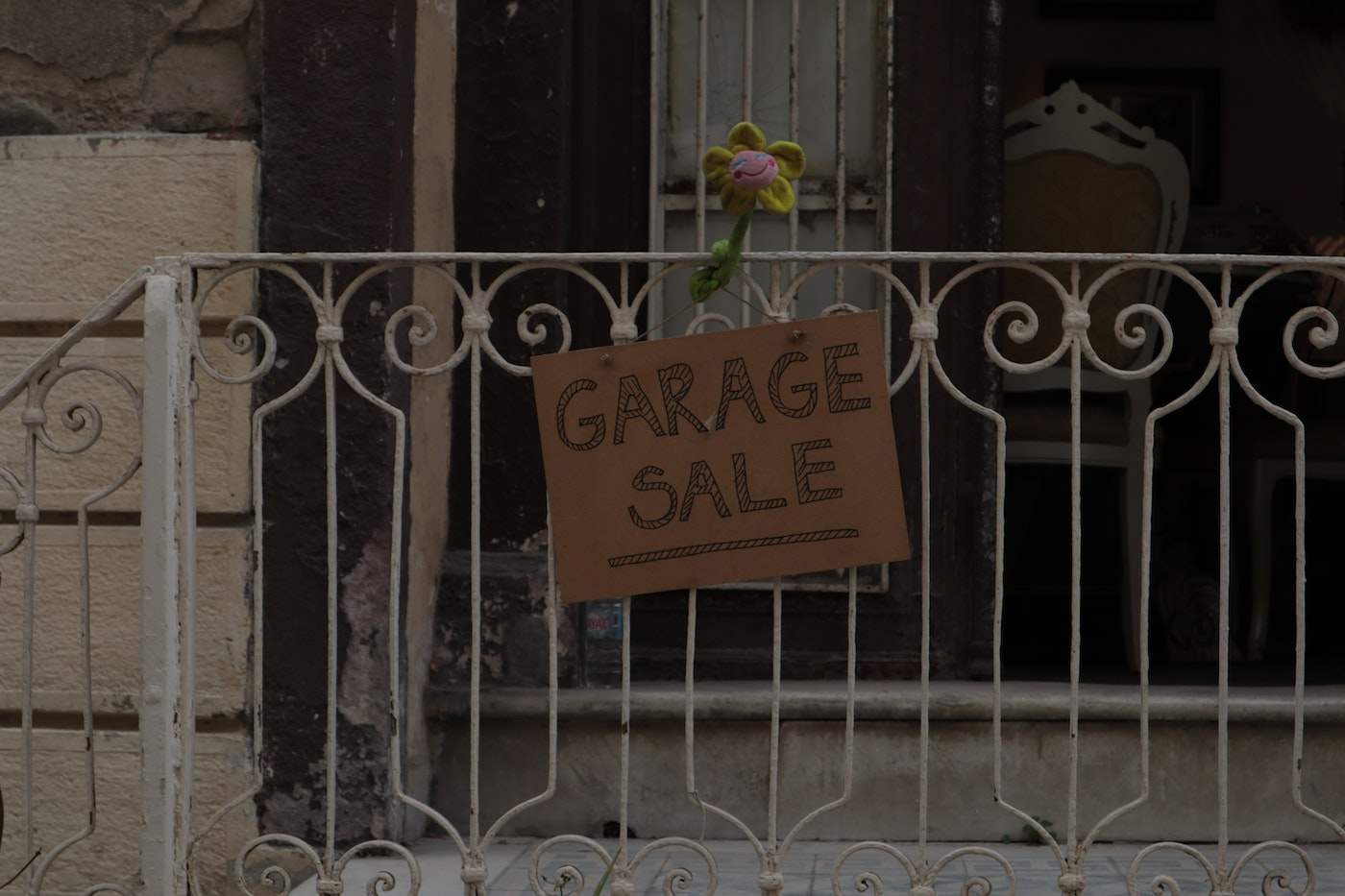
Your garbage could be someone else’s treasure, so it’s worth putting items up for sale online, listing them online for free or donating them to a charity that may be able to make use of them. Don’t throw anything away without thought—the object is likely to end up in landfill when it could have had a second life.
There are lots of ways to make your home more sustainable. These nine ways should get you going, but they’re really just the beginning of a greener way of life.
Feature image: Christian Koch; Image 1: Charlotte May; Image 2: Layton Diament; Image 3: Çağla Ateş


Thanks for sharing this! Another important thing to do to make a home more eco-friendly is to reduce the number of “always on” appliances. Many devices consume power even when turned off. Unplugging electronics or using power strips to turn off multiple devices simultaneously can prevent this slow but significant energy use.
Really helpful tips. I also think I need to add that your HVAC works way better when air can actually get back to the return grille. If you close bedroom doors all the time or have big items pushed up against that area, the system ends up fighting itself. That such a little thing but significantly increases bills and energy use.
Thanks for such an interesting post. As for insulation, I only want to add one thing — always remember the pet door. It should be sealed around the frame. And it’s ideally to have one with magnets in the frame.
One thing that really helps but doesn’t get talked about much is indoor humidity. When the air isn’t too dry or too damp, your home feels comfortable at lower temperatures, so you’re not constantly adjusting the heat. Even small changes like sealing gaps where moisture sneaks in or using a simple dehumidifier can make a noticeable difference in comfort and energy use.
Thank you. I also want to mention such a thing as installing simple draft stoppers at exterior door bottoms and reversing ceiling fans in winter. The draft stoppers are like free insulation, and flipping your fan blades to push warm air down actually helps distribute heat better.