
A common assumption about environmentally friendly building construction materials is that they must be more expensive. It’s a myth that’s worth busting because it drives the false perception that sustainable building isn’t cost effective.
In that spirit, here are 5 affordable green construction materials you should consider for your next building project or renovation.
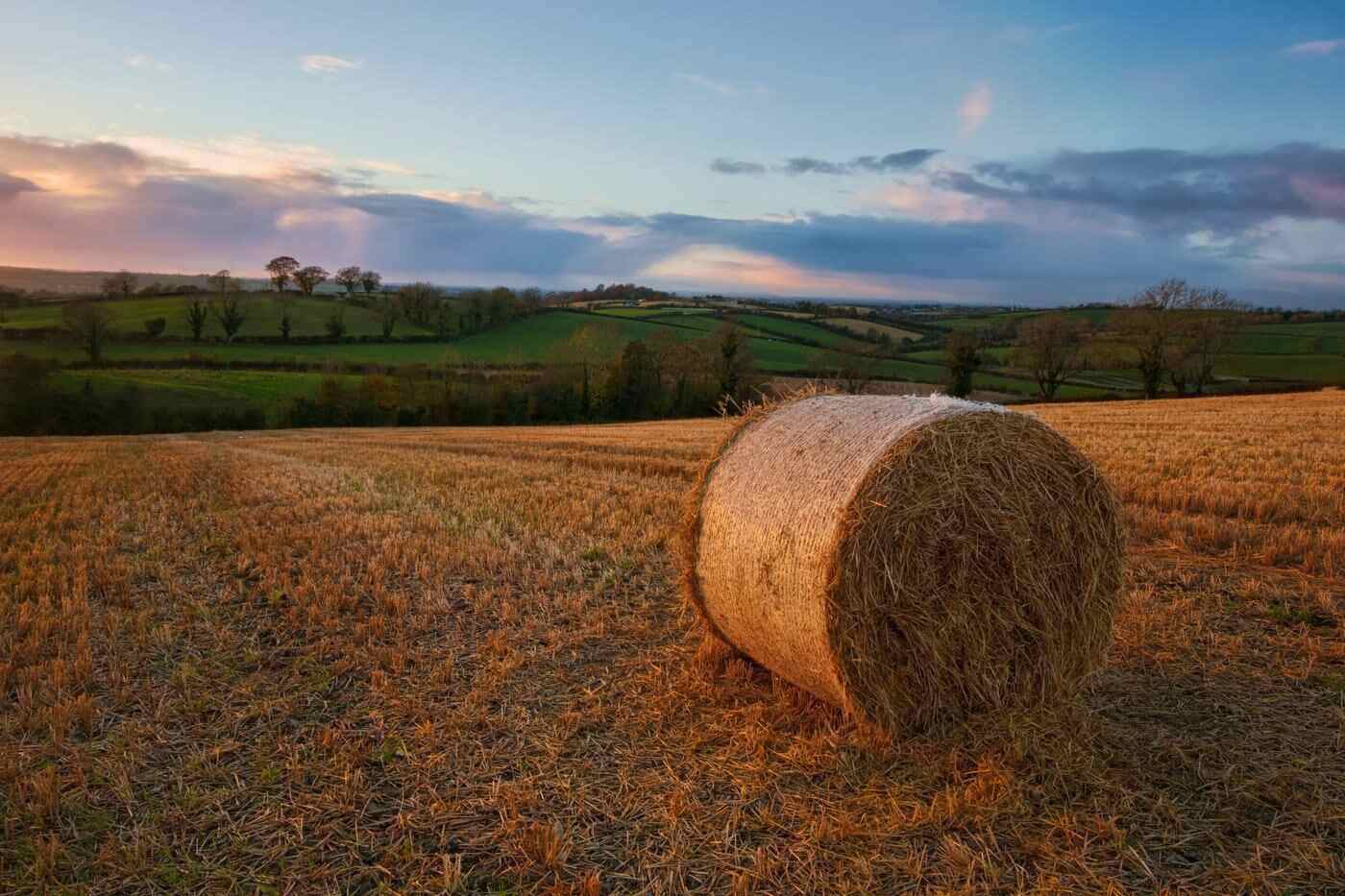
Straw Bales
Straw bales are a renewable resource that create sturdy structures with excellent insulation. If the legends are true, the first documented straw-bale structure was built in 1896 and then eaten by cows, but do not let that deter you.
As engineer Bruce King explains, provided they’ve been properly baled and stored, straw bales “can support at least residential scale loads, and meet typical building code criteria for strength, serviceability, creep, and durability.”
There are two main types of straw-bale building to consider. The first uses the bales themselves as load-bearing walls. The second is a more conventional post-and-beam style, where the home is framed and the straw bales act as infill. In both cases, a plaster coating is applied inside and out.
The costs of building a home or other structure with this material depend on how readily available straw is in your area. In an area where straw is plentiful, this material can be very inexpensive. A properly completed structure will be resistant to fire and mould, and has impressive thermal performance that will make running your home much more affordable, too.
Recycled Steel
Get the Green Building Project Checklist
Use this handy checklist on your next project to keep track of all the ways you can make your home more energy-efficient and sustainable.
Recycled steel can be used for roofs, siding, framing or as a structural element. Steel framing, roofing and siding materials are used much like their more common counterparts. You can even find prefab steel building kits.
As a green building construction material, the benefit of steel is that it’s so durable and so readily reusable. Steel can be reused and recycled countless times without a loss of quality. Its economic value has made it one of the most highly recycled materials on the planet, meaning that any steel product you buy is likely to contain some percentage of recycled material.
The durability of steel makes it more cost effective than it might seem at first. As a roofing material, for example, the upfront cost will be greater compared to asphalt shingles, but given that its lifespan is likely to be more than double the lifespan of an asphalt roof, a long-term homeowner will easily recoup that cost.
Bamboo

As a building material, bamboo really shines. It’s renewable, can be grown sustainably and has a greater tensile strength than steel and a greater compressive strength than concrete.
In Canada, we’re most likely to encounter bamboo as a material for interior finishings. For anything that we typically use wood for, you’re likely to find options in bamboo. For everything from floors to wall coverings to cabinetry to countertops, bamboo offers a more affordable alternative to wood, and an alternative that might be more environmentally sustainable.
Although its green credentials are somewhat compromised by the long distances it has to travel to get to Canada, those distances need to be considered alongside bamboo’s high productivity when compared to timber. Bamboo is famous for outproducing timber and can be harvested without killing the plant.
As with any building material that’s being sold as “green,” however, do your research on the supplier. Make sure their practices align with your vision of what sustainability is.
Compressed Earth Blocks
Dirt is a pretty cheap building material. Sometimes, it’s even free. And there are many building methods that work with it. Compressed earth blocks (CEB) are a material of special interest, however. They’re versatile, create durable structures and are highly affordable, even if you need a contractor to build the structure for you.
CEB are created out of a mixture of clay and sand. Sometimes lime or cement are added. The mixture is pressed into blocks and dried. Once cured, the blocks can be dry stacked on top of a foundation or set in a mortar or slurry, much like regular, clay-fired bricks. Builders typically use double walls with an insulation cavity in between to help us weather our notorious Canadian winters.
The biggest green advantages of earth blocks are their natural composition and high thermal mass. Since compressed earth block buildings are made of local natural materials, they also produce little waste and contain little embodied energy. They can be made from on-site soils in manual presses and then sun dried instead of kiln dried, which radically lowers their carbon footprint.
CEB construction keeps homeowning costs down over the long haul, as well. Properly constructed earth block buildings can eliminate the need for cooling in our Canadian summers and significantly reduce heating bills. The result is homes that are much more affordable to operate and that require much less maintenance.
Recycled Plastic
Recycled plastic concrete is worth a mention, even though it’s a relatively new technology with no long-term studies to determine how environmentally sound it will be over time.
In the short term, its potential environmental benefits seem impressive. Recycled or salvaged plastic can be added to concrete to replace sand and conventional aggregates, or as a binder that works alongside conventional aggregates. The techniques save water and sand. They pull plastics out of the environment and reduce the emissions typically produced by concrete manufacturing.
The resulting concrete can be used for bricks, blocks, pavers, beams and other forms. Recycled plastic has also found its way into asphalts. In various forms, recycled plastic concrete has been used in roads, walkways and building projects all over the world.
Research on recycled plastic concrete has found it to be as strong, if not stronger, than conventional concrete. It’s also more cost-effective, as are other recycled plastic building forms. Colombian company Conceptos Plásticos made headlines a while back by creating two-bedroom homes out of recycled plastic blocks that could be built in 5 days and cost about $5000. In India, a team of students have created recycled plastic bricks that cost about 8 cents to make and don’t need mortar.
If you’re interested in this building technique, the trick might be finding a local company that manufactures concrete or bricks with recycled plastic. Since the processes are so new, there aren’t a lot of manufacturers who use them. As time goes on, however, it’s expected that recycled plastic will become an inexpensive and widespread green building construction material.
So for your next construction project, think outside the box. Investigate some greener building construction materials—their affordability might surprise you.
Feature image: Steven Hylands; Image 1: Pixabay

Interesting that rammed earth is not on the list. You have earth blocks but rammed earth is part of that whole family of products that are sustainable and completely recyclable. Along with Earth Blocks, COB, etc…
Thanks for the comment, John! You’re so right – rammed earth, blocks and cob could easily have been on the list, but I was already up to 5 materials!