
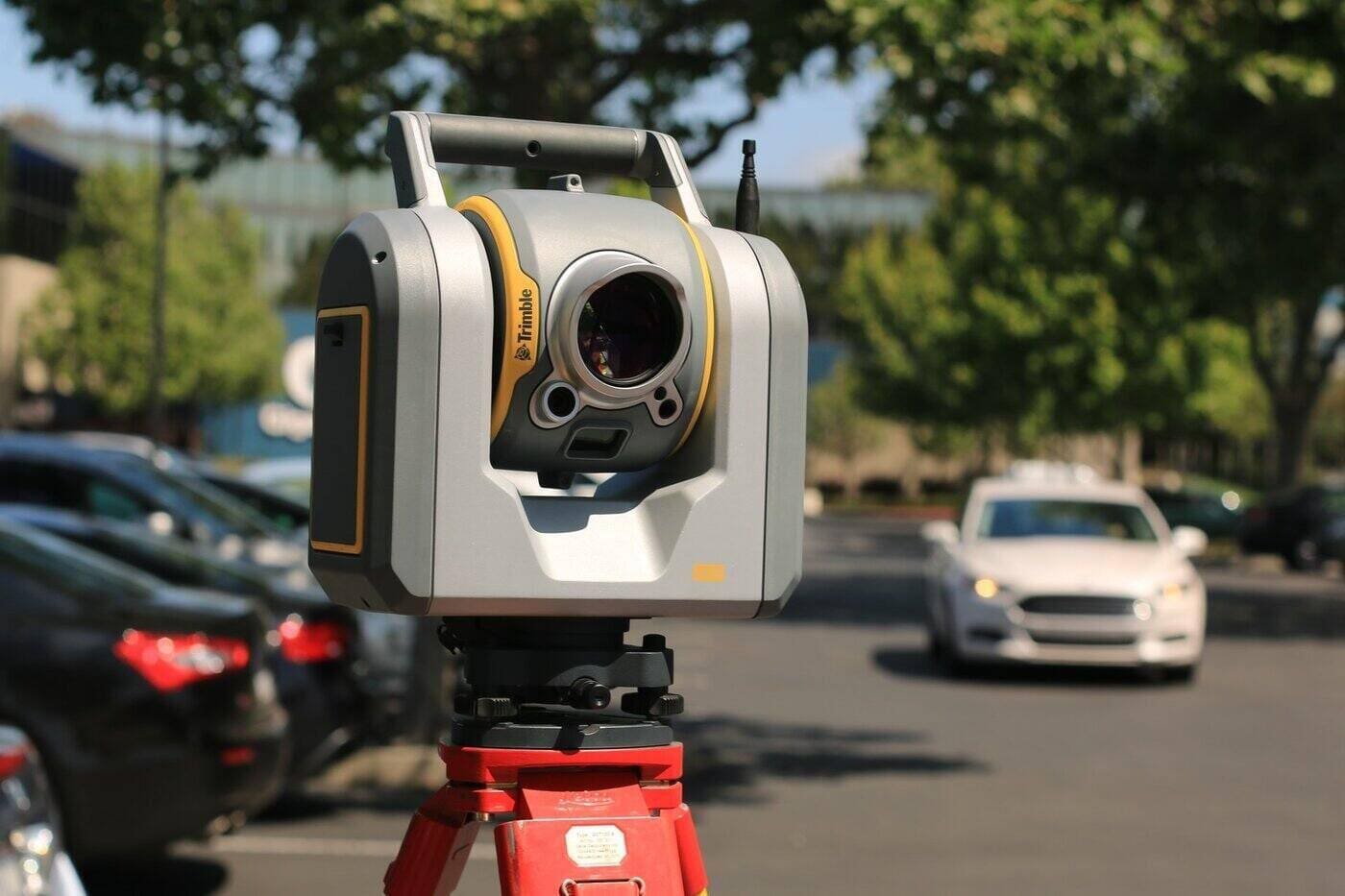
At one time or another, you surely would have seen a person with a reflective jacket looking through a camera-like device rested on a tripod. What under the sun could this person be doing? That person you saw was most likely a surveyor, surveying with a theodolite.
Surveyors are the first set of professionals on the ground before any construction or development. They measure and map the earth’s surface, making it possible for physical building development to take place. Through surveying operations, architects can use measurements to make the most of the landscape during their design process. Engineers can also plan structures more precisely and safely.
To effectively carry out surveying operations, special instruments are used to measure and evaluate properties on the earth’s surface. These measurements give a reference point for positions on a building site (i.e. a position’s latitude, longitude and elevation), and determine where positions are in relation to each other, via distance as well as angles.
Surveying provides spatial information that helps determine boundaries, among other things. Here are 4 things to know about surveying:
1. Surveying is Highly Useful
Surveying is quite a broad field, and while many people link it with land documents only, there are other instances where carrying out a survey is critical. Some of them include:
Buying a new home – While the construction process might not need a survey, mortgage lenders mostly require surveying to ensure that the building is well within its legal boundaries. It also helps eliminate the possibility of encroachment later on.
Settling land dispute – As mentioned above, survey plans help to define boundaries, and are legal documents that hold up in court in case of a dispute with neighbours.
Get the Green Building Project Checklist
Use this handy checklist on your next project to keep track of all the ways you can make your home more energy-efficient and sustainable.
Home addition – Surveying would help you make sure any additional construction to your property won’t exceed your boundary.
2. It’s Not an Easy Task
The aspect of surveying most people see is surveyors staying under the sun and looking through a total station, but that isn’t all there is to surveying. There are computation, graphical representation and legal aspects of surveying. Professional surveyors also provide other services apart from regular boundary delineation, such as advisory, design, and compliance services. It’s part of the reason why surveying might seem expensive. The amount of work they do deserves the amount they charge.
3. The Process is Dictated by the Law
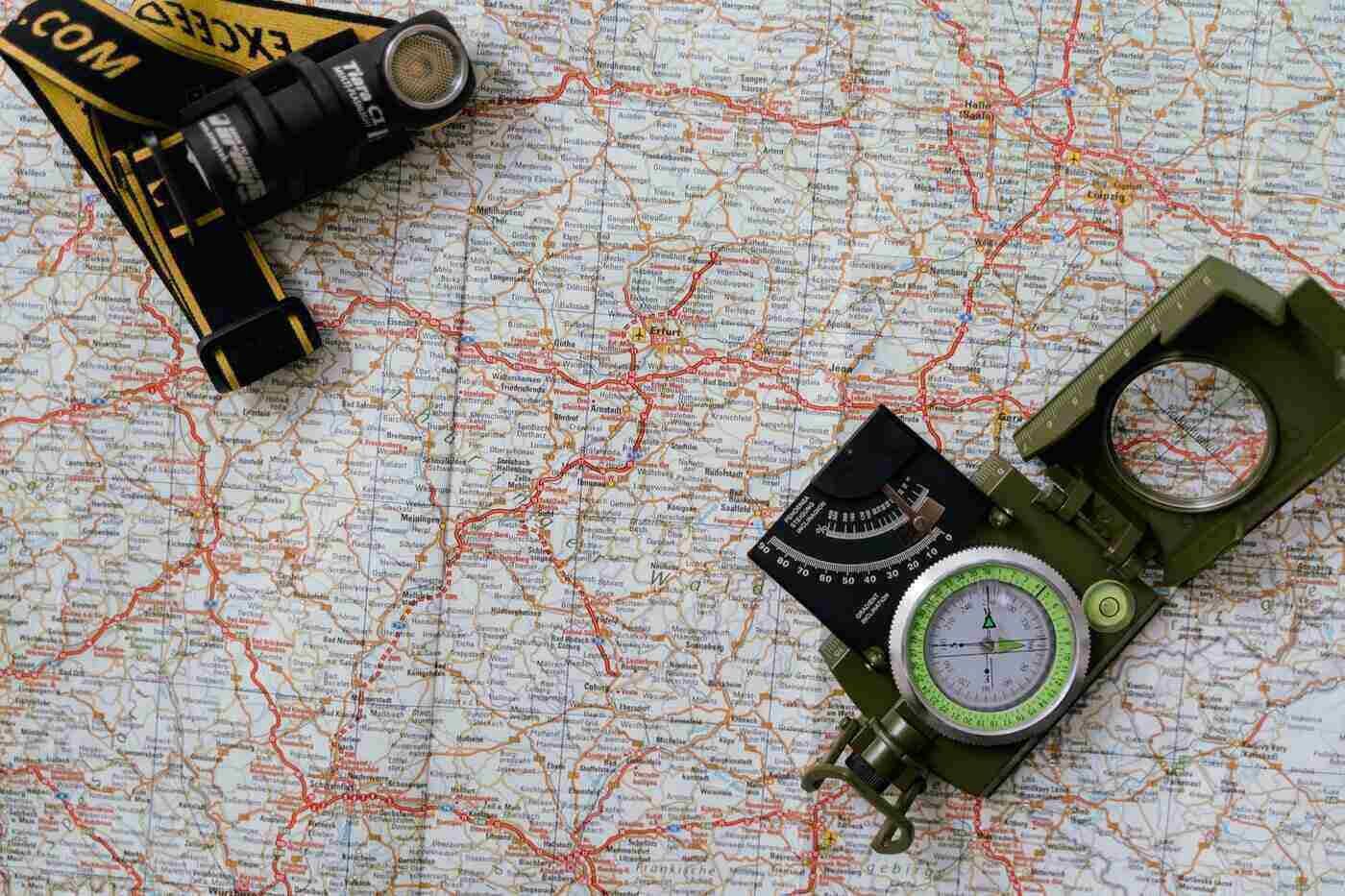
Surveying obtains factual data through science and math. It doesn’t matter what you want to build, surveying isn’t done in your favour.
After the successful completion of a survey, plans are sent directly to your county recorder’s office, which means your survey becomes a public record. There are rules and regulations guiding survey operations; as such, surveyors are responsible for mistakes during surveys and can also be sued for them.
4. There are Various Kinds of Surveyors
Land surveying is a broad profession with various areas of specialization. Some of the processes of the most common types are:
Construction / engineering surveyors – These surveyors observe changes in property lines and determine the accurate locations of buildings, roads, and other structures.
Geodetic surveyors – They determine the measurement of large areas of the earth using satellite and aerial imaging.
Land surveyors – Also known as boundary surveyors, they ensure that the boundary of the property actually lies within its boundary and isn’t encroaching. This is the type of surveyor most people are familiar with. There are still other types, including hydrographic and mining surveyors.
How Does It Work?
There are different types of surveys and each has different instruments and working operations. Two major types of surveys are plane and geodetic surveys.
Plane surveys, the most common type of surveys, are used for small areas (areas under 250 square kilometres). They discount the curvature of the earth and imagine it as a flat plane. Positions are then determined through the measurement of linear distance and angles. In this type of surveying, theodolites, as well as simpler instruments like measuring tapes, are used.
Geodetic surveys, on the other hand, are used for larger areas. They do account for the earth’s curvature, so that surface lines are taken to be arcs, instead of flat lines. This kind of survey requires more specialized knowledge (like spherical trigonometry) and more sophisticated measuring techniques such as photogrammetry.
Surveying is the foundation on which any physical development is built; as such, only accredited professionals are legally permitted to carry out survey operations. Becoming a surveyor takes years of learning both the theoretical and practical aspects of the profession. They use sophisticated modern equipment and software to carry out operations. In conclusion, surveying is needed in determining points and boundaries on the earth’s surface.
Feature image: Scott Blake; Image 1: Tima Moroshnichenko