
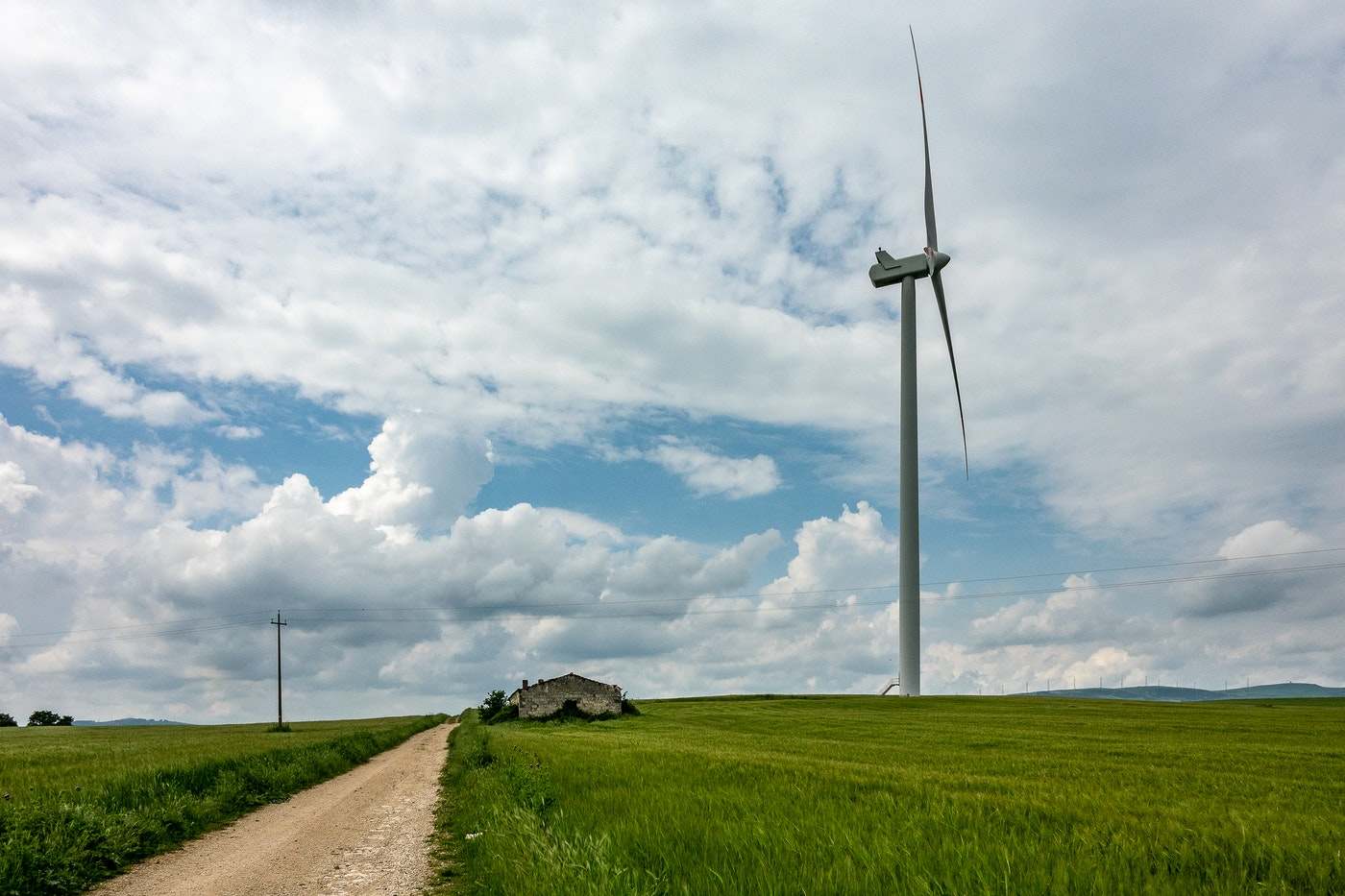
If you live in a rural area, you may be considering installing a wind turbine to generate your own electricity. Wind turbines are becoming increasingly popular as people look for ways to reduce their energy costs and become more self-sufficient.
But is a wind turbine right for your property? In this article, we will discuss the pros and cons of owning a wind turbine, and help you decide if it is the right choice for you.
How Much Does a Wind Turbine Cost?
As in so many things on a rural property, the cost of a wind turbine varies depending on the size. For a wind turbine, that means the cost varies depending on the power of the turbine and the height of the tower.
The Ontario government estimates the average cost of a domestic wind turbine in Canada to range from $8,000–$11,000/kW. They note that the cost can quickly rise due to factors like permits, site issues, etc. This makes wind a more expensive option compared to the cost of installing solar panels.
If a solar PV system is impracticable for you, however, wind turbines are an effective alternative.
How Much Electricity Will a Wind Turbine Generate?
Get the Green Building Project Checklist
Use this handy checklist on your next project to keep track of all the ways you can make your home more energy-efficient and sustainable.
Again, this will depend on the size, power and make and model of your turbine. It will also depend on the height of the tower and, most importantly, your wind resources. A wind map can help you to start calculating the energy potential of your property.
A 10kW turbine could be enough to meet the needs of a household. If you have a larger farm operation, or if you want to generate all of your own electricity and go off-grid, you will need to install a larger turbine. Industrial turbines can generate up to five megawatts of electricity.
How Much Space Do You Need for a Wind Turbine?
You will need a fair amount of space to install a wind turbine. The amount of space you need will depend on the size of your turbine. The turbine itself will need to be placed on a tower, and you will also need room for the foundation and base.
In addition, if you opt for a guyed tower, you will need to have enough space around the turbine to secure the lines. The U.S. Department of Energy Efficiency & Renewable Energy recommends at least an acre for a typical domestic turbine.
How Noisy Are Wind Turbines?
Small wind turbines make a low humming noise that is audible at the base of the tower and for a few dozen metres out. For most people, this is not a problem as the sound is like a background noise and they quickly get used to it.
That said, if you are particularly sensitive to noise, or if you live close to other properties, it is worth considering whether a wind turbine is right for you. For example, if you live in an area that’s experiencing lots of fast residential development, your future neighbours may not appreciate the sound of a turbine.
Do Wind Turbines Require a Lot of Maintenance?
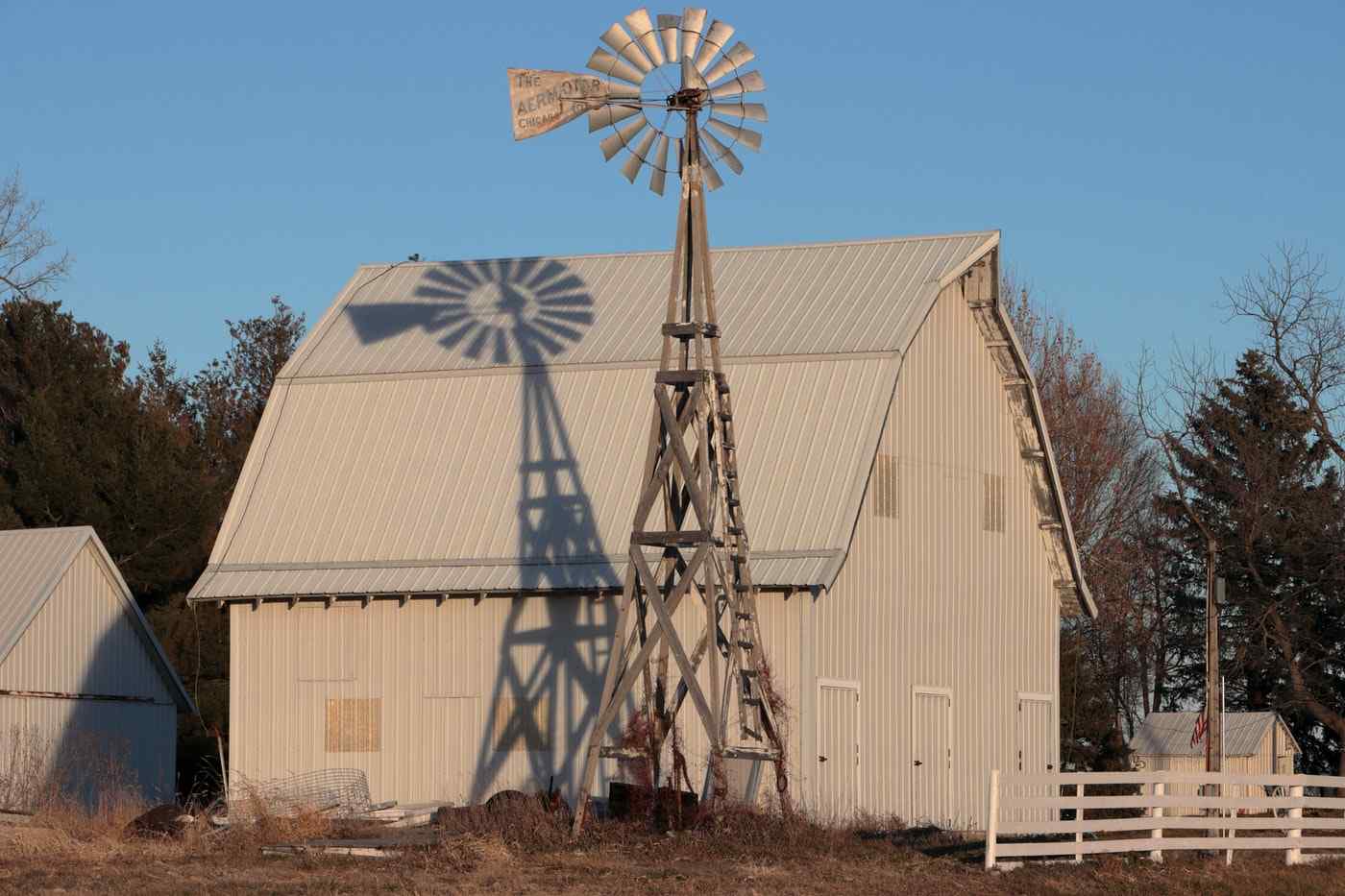
Wind turbines are designed to be low maintenance, and most will only require a service once a year. However, you will need to keep the area around the turbine clean and clear of debris. This is because the blades can catch on objects, which can damage the turbine. In addition, you will need to check the tower regularly to make sure that it is still structurally sound.
Are Wind Turbines Safe?
Wind turbines are very safe. The blades are designed to stop automatically if they hit something, and the towers are built to withstand high winds.
However, as with any large piece of machinery, there is always a risk of accident or injury. For this reason, it is important to make sure that you follow the manufacturer’s instructions carefully if you service your turbine yourself.
Do You Need a Permission For a Wind Turbine?
If you live in Canada, you will need planning permits from your municipal or other local government before you can install a wind turbine. The exact requirements will vary depending on your location, but you will need to meet local building and electrical codes. You may also need to connect with your local utility.
In addition, your turbine must meet certain safety standards, so it is important to choose a reputable manufacturer. Reach out to your local permitting office early in the planning stages to make sure you’re clear about any and all processes.
The Benefits of Owning a Wind Turbine
There are several benefits to owning a wind turbine. The most obvious benefit is that you will be able to generate your own electricity and this can save you a lot of money, particularly if you live in an area with high energy costs. To read about other green additions to your home that could help you save on your utility bills, visit Which Energy-Saving Upgrades Pay For Themselves?
In addition, owning a wind turbine can help you to become more self-sufficient. If there is a power cut and the grid goes down, you will still have electricity. This can be a real lifesaver in rural areas.
The Disadvantages of Owning a Wind Turbine
There are also some disadvantages to owning a wind turbine. The most obvious disadvantage is the initial cost. Wind turbines are not cheap, and you will need to factor in the costs of installation and maintenance.
In addition, wind turbines require a fair amount of space and they typically require additional sources of energy to compensate for wind variability. If you are sensitive to noise, or if you live close to other properties, a wind turbine may not be the right choice for you.
Making the Decision
Whether or not a wind turbine is right for you will depend on your individual circumstances. If you have the space and the budget, a wind turbine can be a great way to save money by investing in renewable energy, especially if you live in an area with high energy costs. Ultimately, the decision is yours, and you will need to weigh up the pros and cons before making a decision.
If you are considering installing a wind turbine on your rural property, there are several things you need to take into account. The most important factors to consider are the cost, the amount of space you need, energy storage and the noise level.
Wind turbines can be a great way to save money and become more self-sufficient, but they are not right for everyone. Make sure you carefully consider all of the factors before making a decision, and if you think you need more education about wind turbines and other green initiatives, browsing through the courses outlined in How to Learn Green Building? A Complete Resource Guide may benefit you.
Feature image: Mike van Schoonderwalt; Image 1: Scott Platt