In the past 40 years global water usage has quadrupled. With about three billion people worldwide lacking access to safe drinking water, the message is clear that our water usage has become unsustainable.
Luckily, new technologies have evolved to reduce water usage. In homes and businesses, water-efficient plumbing fixtures have become increasingly popular due to their environmental benefits.
With the right plumbing, you can reduce your water usage without sacrificing comfort or convenience. Here we’ll take a look at some of the top trends in water-efficient plumbing, including low-flow showerheads, water-saving toilets and rainwater harvesting systems.
1. Low-Flow Fixtures
When thinking about water-efficient plumbing fixtures, the first that often come to mind are low-flow fixtures. These use only a fraction of water compared to standard fixtures installed in homes and commercial properties.
They can be found in showerheads, faucets, toilets and urinals, as well as other associated devices used for drainage and waste management. This type of fixture is increasingly becoming mandated by government regulations in order to conserve water and reduce water waste.
2. Smart Faucets

Get the Green Building Project Checklist
Use this handy checklist on your next project to keep track of all the ways you can make your home more energy-efficient and sustainable.
Another type of efficient plumbing fixture that has gained popularity in recent years is the smart faucet. When it comes to tapware, smart faucets are a popular choice because they are equipped with sensors that detect motion and allow the user to dispense specific amounts of water at a time.
This ensures that there is no wasted water, as users only consume what they need. Some models are even connected to mobile phones or home automation devices, allowing users to control the flow rate and temperature of their tapware from a distance.
3. Recirculating Pump System
Recirculating pump systems are designed to reduce the amount of energy used by hot water heaters by eliminating wait time when turning on hot water fixtures such as showers, faucets and washing machines.
When installed, these pumps continuously circulate hot water through plumbing lines in a loop from the hot water heater to the fixtures and back. This ensures that hot water is always available on demand, eliminating wait time and conserving energy. This kind of fixture is popular in both residential properties as well as commercial establishments. Installing a recirculating pump system requires working with professional plumbers unless you have plumbing experience yourself.
4. Dual Flush Toilets
Dual flush toilets are considered to be one of the most efficient plumbing fixtures on the market.
They have two flush options, one for liquid waste and another for solid waste. This allows users to select the most appropriate option depending on the type of waste they are disposing of, saving water in the process.
Dual flush toilets are also designed with improved flushing performance compared to standard toilets, so that waste is flushed away with less water.
5. Waterless Urinals
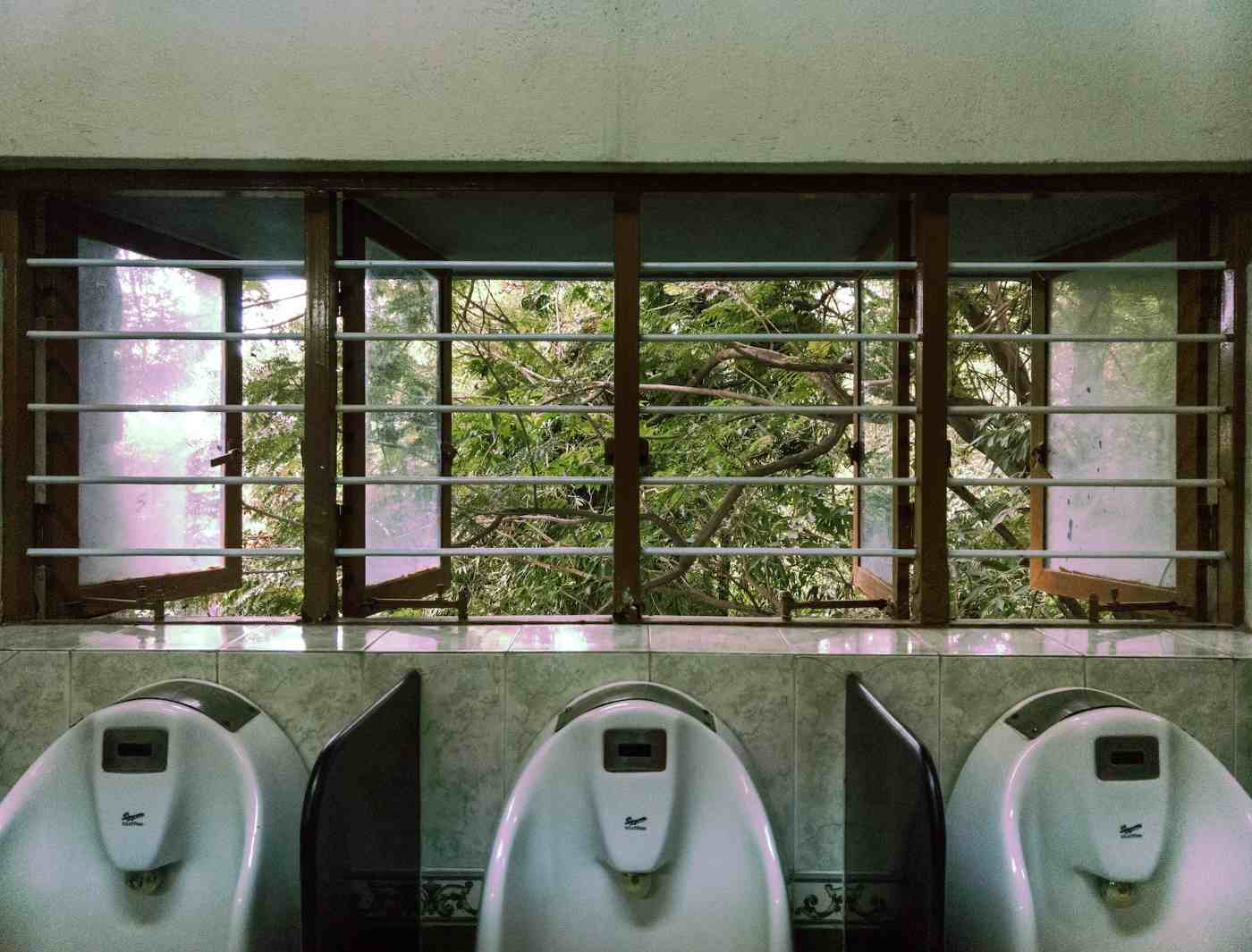
Waterless urinals are a great way to reduce the amount of water used in commercial establishments, such as office buildings, hospitals and restaurants.
These urinals use no water whatsoever, relying instead on specialized cartridges and drains that contain liquid sealants that trap odors and prevent waste from entering the sewage system.
This eliminates the need for flushing water and reduces both water consumption and plumbing costs.
6. Greywater Recycling Systems
Greywater recycling systems are a more intensive way to conserve water and reduce the energy used by traditional drainage systems.
These systems collect and treat greywater from showers, sinks and other sources for reuse in toilets or to water lawns and gardens. This reduces the strain on water resources and allows property owners to save both money and energy.
Greywater recycling systems are available in a variety of sizes and configurations, making them ideal for individual homeowners as well as commercial properties.
7. Rainwater Collection Systems
Rainwater collection systems are a great way to reduce the strain on the public water supply and conserve one of our most precious resources. These systems collect rainwater from roofs, gutters, and other sources for use in outdoor irrigation.
Not only do these systems reduce water costs, but they also reduce energy and labour costs associated with public water systems. Rainwater collection systems can be installed at both residential and commercial properties, making them a great option for homeowners and businesses alike.
8. Energy-Efficient Plumbing Fixtures
One of the most effective ways to save water and energy is by choosing the right fixtures for your plumbing system.
Look for low-flow faucets, toilets, shower heads and other appliances that feature WaterSense labels. These eco-friendly products often help you save a significant amount of water per year.
Additionally, you can reduce energy consumption by installing solar-powered water heating systems or on-demand hot water circulation pumps. By optimizing your plumbing system with the most efficient products you can find, you’ll be able to save both resources and money in the long run.
9. Heat Pump Water Heaters
One of the most efficient water heaters on the market today is a heat pump water heater. Heat pump water heaters are more energy-efficient than traditional storage tank water heaters because they use electricity to transfer heat from one place to another rather than generating new heat.
This reduces both your energy costs and your carbon footprint. Plus, they are often eligible for rebates from local governments and utilities. If you’re looking for an efficient water heater, heat pump water heaters should be at the top of your list. You can also use an electric heat pump to run your entire heating and cooling system—to read more on this topic, visit Increase the Value of Your Property With These Green Home Upgrades.
10. Smart Irrigation Systems
As a complement to water-efficient plumbing, smart irrigation systems can be used to ensure that water is conserved when watering plants or lawns.
Smart irrigation systems use sensors and computerized controllers to adjust watering schedules based on climate and soil conditions. As such, they can be extremely effective in limiting water waste from over-watering.
When using a smart irrigation system, you can save much of the water that would otherwise be wasted on traditional irrigation systems. Additionally, smart irrigation systems allow for precise control over how much and when water is released, ensuring that each plant or section of landscaping receives exactly the amount of water it needs.
Installing a smart irrigation system in your home can help you save time and money while also ensuring that your plants are getting the water they need.
Want to learn more? Read more on this topic in our Green Building Guide to Water Efficiency.
Feature image: Max Vakhtbovych; Image 1: Syed Umer