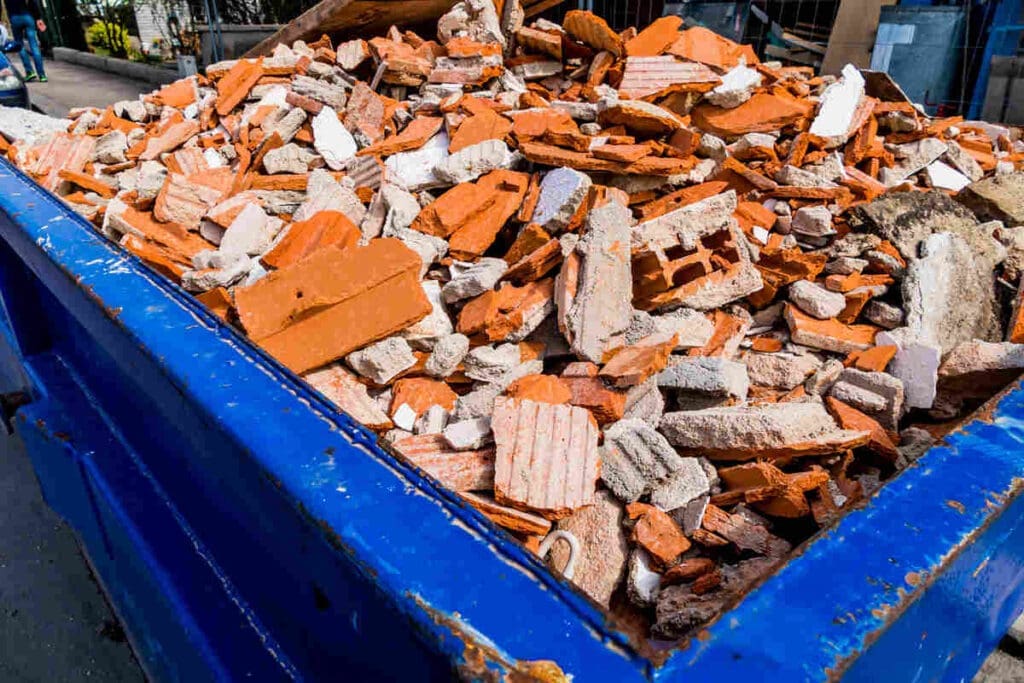
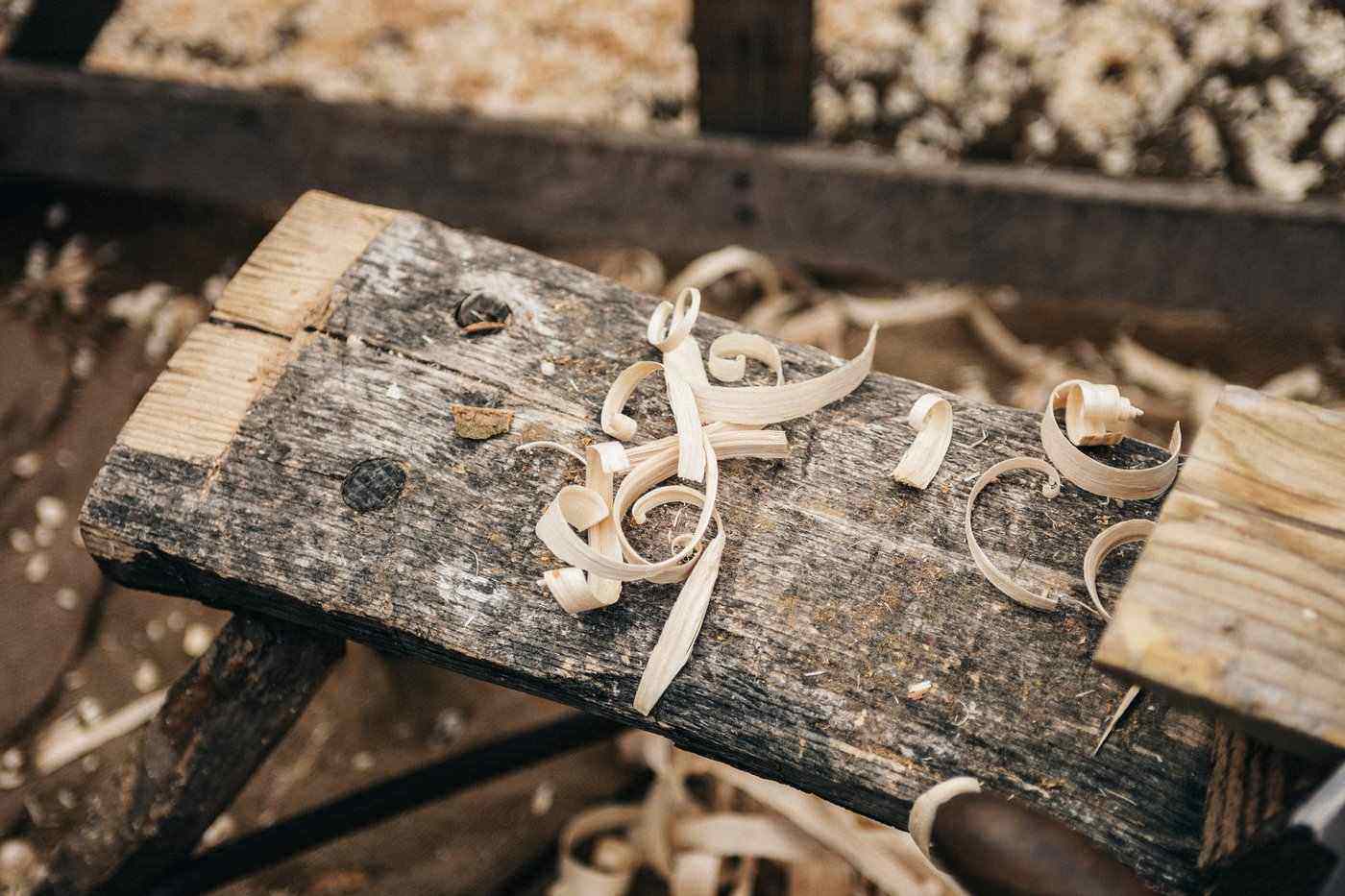
Wood has consistently been one of the most popular construction materials over time because of its strength, aesthetically pleasing appearance, availability, affordability and environmental friendliness. In addition to this, wood serves several purposes on build sites themselves, including the construction of makeshift stairs and pathways, structural support, and so on. It is therefore not a wonder that, in the United States, wood waste from construction activities accounts for around 20% of all the waste received in municipal landfills.
Wood waste comes in different forms and sizes, and includes everything from tree stumps, wood chips, sawn lumber, pruned branches and sawdust to engineered wood products and in some cases, whole trees. Knowing the environmental cost of wood waste, and strategizing to minimize the waste, remain important to any project with a focus on environmental conservation.
The Environmental Cost of Wood Waste
Despite wood being a renewable material, human behaviour has and continues to endanger the most valuable tree species on earth. As it stands, the world has lost a substantial amount of its tree cover as a result of uncontrolled deforestation. This has subsequently contributed to lower air quality, global warming and its resulting effects.
While throwing away a few leftover pieces of timber may seem harmless, cumulatively, the damage is extensive. Without proper utilization of the wood already in circulation, the world will continue losing its tree cover steadily. Sadly, a small percentage of companies are committed to replenishing the supply of wood through tree plantation after harvesting.
However, through better utilization of the wood already in circulation and through intentional activities geared towards making the most out of all wood, waste or otherwise, we could make impressive gains in this front. We explore the strategies that the construction industry could utilize to ensure minimal wastage of the wood in circulation.
Strategies to Minimize Wood Waste in Construction Activities

Get the Green Building Project Checklist
Use this handy checklist on your next project to keep track of all the ways you can make your home more energy-efficient and sustainable.
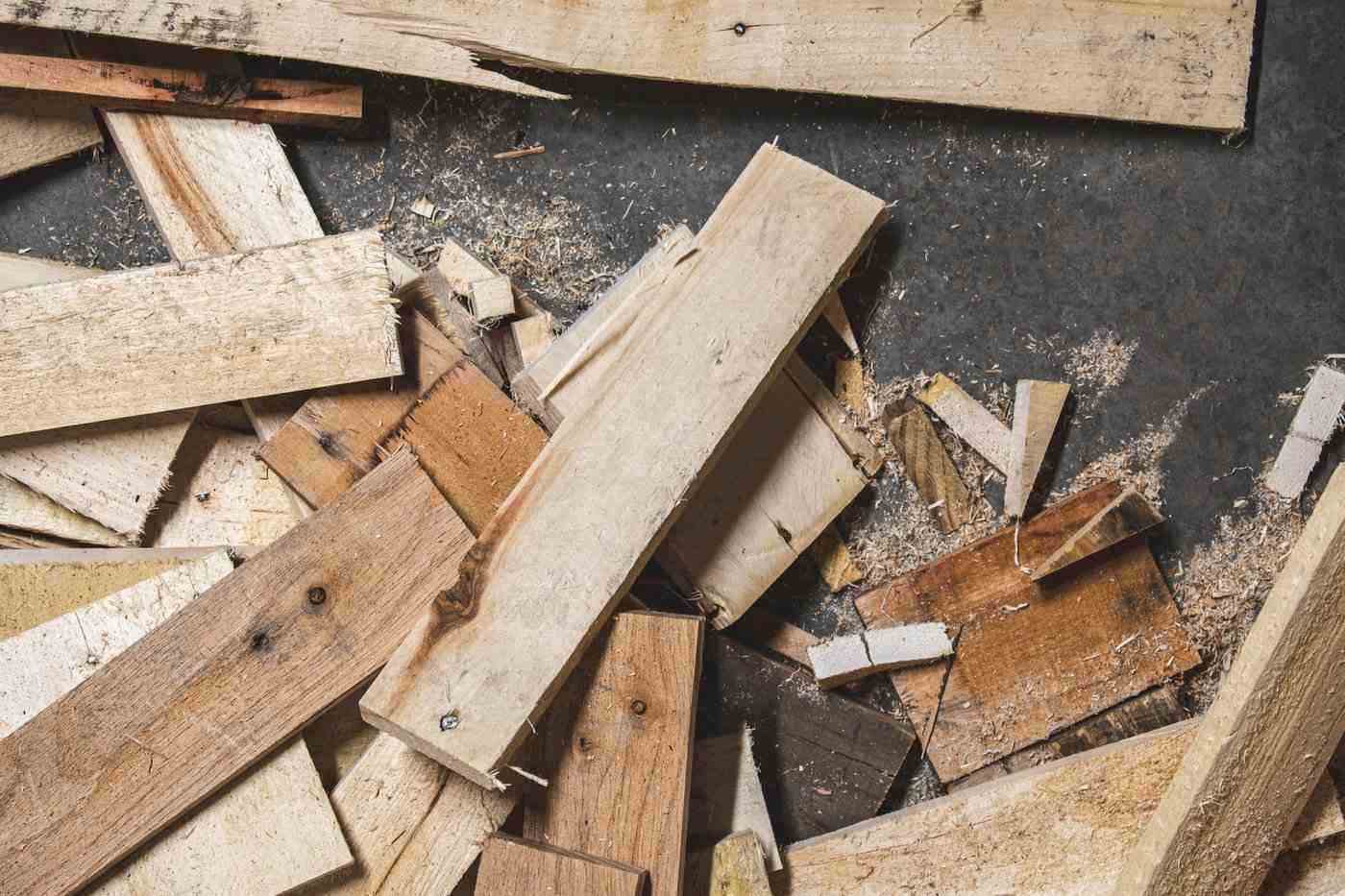
At the beginning of the project, the management team must identify the best way to complete the project with minimal wastage of resources. While it might not be customary to deliberate on waste production, maximum resource utilization is a major consideration. In regards to this, the team should also deliberate on the waste minimization tactics and ensure that everyone understands the strategies and tactics to be employed.
A waste management champion could be selected, smart wood waste reduction goals set and reward systems put in place for those who make considerable efforts to this end. The team should also be educated on the importance of recycling, repurposing and reusing different types of wood waste products. While this may seem like additional effort at first, with time it becomes second nature to reduce waste, find alternative uses for the waste produced and point out sub-optimal usage of wood resources around the construction site.
Towards the End of the Project
At the end of the project, there will be some leftover wood irrespective of the level of care employed by the team. This wood could be kept for future projects or donated to projects that need it. Some items like wooden doors, window frames and ladders can also be donated to charitable institutions.
What cannot be reused or donated can always be delivered to recycling and upcycling firms. Chunks of wood, cardboard, untreated wood, ceiling boards and other types of engineered wood can be turned into useful items such as art work, bedding for cattle, tiles as well as recycled furniture. By recycling the waste, you minimize the level of deforestation and therefore contribute to environmental preservation.
Unless personal initiative becomes the order of the day, wood wastage will increase in the coming years. For a project, this implies extra costs since it can cost thousands of dollars to properly clear and dispose waste from a construction site. It is therefore in the best interest of the project and the environment to consider the aforementioned strategies on reduction of the amount of wood waste produced on each construction site.
Feature image: Clem Onojeghuo; Image 1: Jon Sailer