
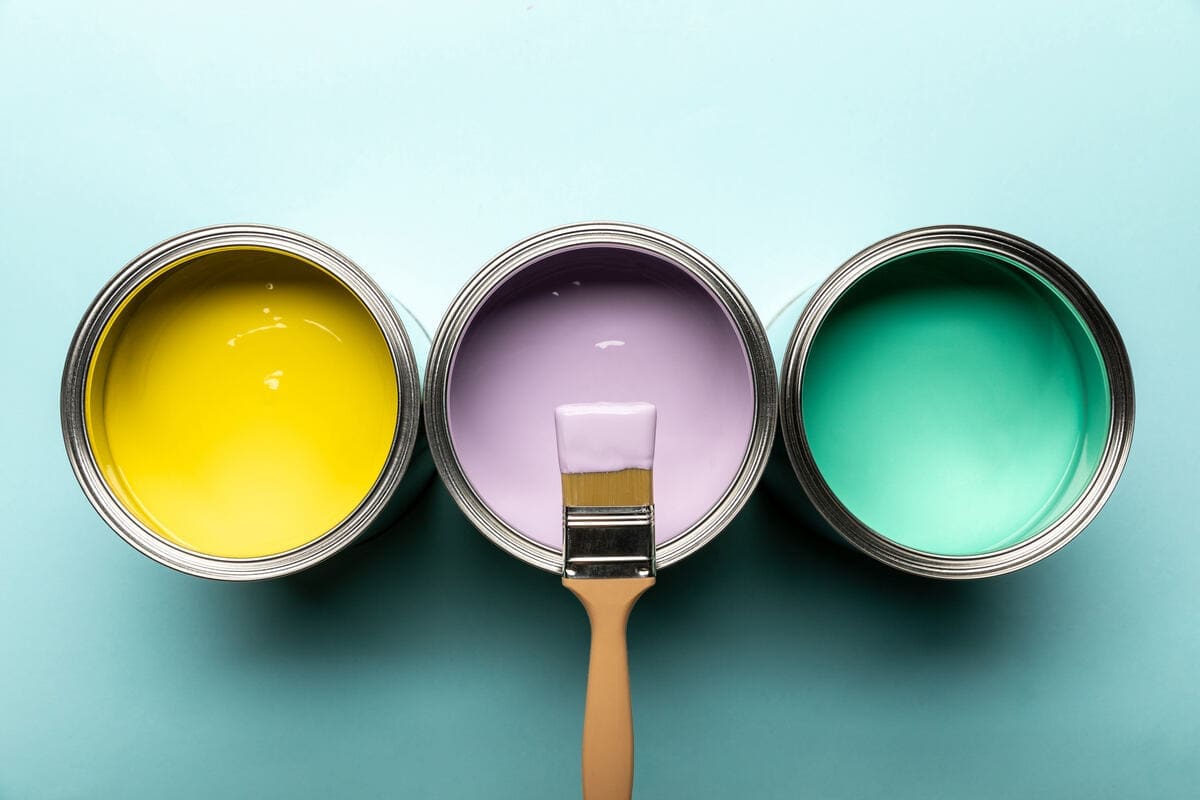
Paint can make the difference between a room that looks elegant and a room that looks fondly back to the 1970s. A can of paint can also go a long way in its impact on your health and the health of the environment.
Fortunately, this is one area where your choices can make a big difference as you have many natural and non-toxic paint options available to choose from. In this guide, we’ll explore the health and environmental effects of conventional paint, define the differences between eco-friendly paints and sort through the various options you have so you can find the right one for your needs.
The Environmental and Health Effects of Paint
Decades of research have shown us that we also have a right to be concerned about the impacts of paint usage on the environment and on human health. Though we’ve come a long way from when paint used to contain lead, unfortunately petrochemicals, biocides (fungicides, for example) and Volatile Organic Compounds (VOCs) like formaldehyde and benzene are still common to many paints, despite growing awareness of the hazards of these substances.
Environmental Effects
The environmental impacts of paint include the pollution of air, water and soil during manufacturing, application and disposal phases.
The manufacture of mainstream paints comes with environmental consequences in terms of the nature and amount of resources it utilizes, the waste products it generates and the water consumption it requires.
The production of paint involves the extraction and processing of raw materials, such as petroleum derivatives and heavy metals. The extraction of these materials causes habitat destruction and ecosystem degradation, while the release of heavy metals into the environment can contaminate water sources and harm aquatic life.

Get the Green Building Project Checklist
Use this handy checklist on your next project to keep track of all the ways you can make your home more energy-efficient and sustainable.
The manufacture of titanium dioxide (the paint whitener that most commonly replaced lead after we learned how toxic lead was) is especially worrisome from an environmental standpoint – not just because it’s a mined limited resource, but because its processing releases numerous hazardous chemicals into the air and water.
Improper disposal of paint (e.g. pouring it down drains or into landfills) can result in soil and groundwater contamination, posing risks to both human health and the environment.
Health Effects
The health effects associated with paint exposure include short-term symptoms like headaches and dizziness, primarily due to VOC emissions, which we go into detail below.
Prolonged exposure to certain chemicals found in paints, such as benzene and formaldehyde, has been linked to more severe health issues, including damage to the liver, kidneys, and central nervous system, as well as increased risk of cancer.
The Adverse Effects of VOCs

VOCs, in particular, have come under fire in recent years for their adverse effects on human and environmental health. VOCs easily evaporate and react with nitrogen oxides in the air when exposed to sunlight, off-gassing ozone and photochemicals into the air for years after the paint dries.
This has effects on localized air pollution levels and contributes to greenhouse gas emissions. It also seems to have a negative effect on the long-term health of the humans who regularly use paint.
A 2010 analysis in the journal Occupational and Environmental Medicine found that professional painters are 30 percent more likely to develop bladder cancer. A second 2010 study in Environmental Health Perspectives found painters to be at a significantly increased risk of lung cancer.
Many regulatory agencies and governments (the EPA, Environment and Climate Change Canada and the EU, for example) have mandated limits on VOC levels in products. Limits, of course, do not mean these chemicals have gone away.
We don’t really even need research to tell us that paint isn’t great for us, though. Not opening sufficient windows when we paint tells us that paint can lead to dizziness; eye, nose and skin irritation; headaches and nausea, all of which are signs of exposure to toxins. These signs tend to worsen if the person painting suffers from asthma or other lung-related illnesses, or if children are exposed.
That sobering account, however, does not update your kitchen and unless you want to start a trend in tapestries, you need some sustainable paint choices.
Defining Eco Paint: Non-Toxic vs Natural Paint

As with most things with the word “eco” in the label, you should read up on the product to learn what you’re actually getting. “Eco” can mean a range of things. It can mean the product is still made with petrochemicals but contains lower amounts of VOCs; it can mean the product contains natural, rather than synthetic, solvents (ethanol, for instance, which still contains VOCs) or it can mean the product is plant, chalk or clay-based, contains no harmful chemicals and can even be composted. As you can see, the spectrum of “eco” paint is quite broad.
It’s always helpful to remember that “natural” does not mean the same thing as “non-toxic” and that many substances are both natural and completely toxic. For further research, the Environmental Protection Agency (EPA) has a helpful guide to identifying more environmentally friendly paints and painting options.
Aside from the benefits of feeling like you’ve made a solid ethical choice, the plus side of these paints is that they do generally seem to compare to non-eco paints in terms of durability and longevity. In 2008, Rich Binsacca at Architect Magazine reported varying results, but called the emerging natural paint industry “promising” and constantly improving.
Eco paints come in a wide range of finishes for a variety of surfaces, from kitchens and baths to trim to cupboards. Like other paints, you can use them with a roller and brush or with a paint sprayer.
Natural Paint Options

Natural paints are not made from synthetic chemicals, but rather are harvested from natural sources (i.e. minerals, plants or animals products). They’ve been used for thousands of years, and for a long time they were the only option people had to paint with.
How They Vary
There are many different types of natural paint made from different substances such as clay, chalk, charcoal and animal pigments. Some come ready to use and some come in powder or paste form that you mix with water to use.
Some natural paints require oiling (the surface to be painted needs to be treated with an oil-based product prior to applying the paint) before use, while others don’t. It’s a necessary step for some paints because some surfaces like wood are porous or absorbent and by oiling the surface a barrier is created that prevents the paint from being absorbed too quickly or unevenly. It helps to ensure better adhesion of the paint and promotes a more uniform finish.
Some natural paints dry quickly while others take weeks. It really depends on how each brand makes its version, so be sure to research thoroughly before buying any products.
The Different Types
Water-based paints are the most common version and they combine water with natural earth materials or plant-based pigments. Casein paint is made from natural casein, which comes from milk.
Egg tempera is natural paint containing natural egg yolk and natural pigment. There are also flour-based and oil-based paints that you can buy.
Finding Eco-Friendly Paint

One option is to investigate your local household recycling centres, paint reuse programs or secondhand building supply stores for leftover or recycled paint.
Reuse helps stem the improper disposal of this household hazardous waste and reduces the vast amount of wastage painting projects typically create. The UK’s Community RePaint estimates that “50 million litres of 320 million litres of paint sold in the UK each year go to waste.” Reusing paint is a sound option for reducing this paint waste, especially if you have a small project.
You could also, in theory, make your own paint but it’s not likely to hold up well if you use it architecturally. If you have a larger project, specific colours or specific paint needs in mind, or if you don’t live in an area that practices a lot of paint recycling, buying natural or low-VOC paints might be the most efficient option.
When shopping around, be on the lookout for certifications such as Green Seal, ECOLOGO or GreenGuard. Independent third-party certifications like these give you peace of mind knowing that the products have been independently tested in a lab. Labels can sometimes be misleading – unfortunately greenwashing happens with paints just the same as with other products.
Potential Problems Are Few
The downsides of eco paints are few, and the biggest is probably the price point. Unsurprisingly, you can expect to pay more for a natural paint. Note, too, that the plant-based oils in natural paint tend to take longer to dry than their synthetic chemical counterparts.
Clay paints may dry a shade lighter than expected, so be sure to see a dried sample of the paint before you decide on a color. Some eco paints will come in powder form and require mixing, so depending on the brand, you might have some additional labour to do.
You’re already considering a lot of factors when giving your house a facelift: sticking to a budget, choosing the perfect shade of paint for the lighting in each room, finding the right tool for painting cabinets, matching your flooring. Choosing a non-toxic paint with a lower environmental impact for your remodelling projects can be one straightforward way to embrace sustainable renovations.
image 2: U.S. Army Environmental Command; all other images: Depositphotos


0.5