
So what exactly makes a product “green”? It can mean a few things. It could be that the product is energy-efficient, made from sustainable, natural or recycled materials, ethically produced, free from toxic chemicals, recyclable and/or biodegradable.
Being conscious of the products you choose can help you make sure you’re not contributing to the global waste epidemic. It also sends a clear message to manufacturers about what you (the consumer) value in a product.
There isn’t necessarily any way to certify that a product is green, though some organizations certainly try, such as Green Seal,
To help you out with your choices, here are two essential questions to ask yourself while shopping for green products, and 15 more considerations to keep in mind.
Do You Really Need That Product?
We’re living in a fast-paced world that focuses heavily on consumerism, more than ever before. We tend to buy things without really thinking about it—it’s often as easy as tapping our credit or debit card on a machine, or shopping online without even leaving our homes.
To be a more conscious buyer, you need to slow down, stop and think about what you truly need versus what you want. Think about where that product might end up—will it serve you well, and will it last?
Can You Buy It Secondhand?

Get the Green Building Project Checklist
Use this handy checklist on your next project to keep track of all the ways you can make your home more energy-efficient and sustainable.
Before buying something brand new, first consider if you can purchase it secondhand, or perhaps even borrow it from a friend, a neighbour or a library (including tool libraries). There’s an environmental cost associated with everything that’s produced, so limiting the number of items that need to be produced by using existing ones instead comes with a huge benefit.
To find existing items that are available for use, scour websites like Facebook Marketplace, Kijiji, Craigslist, The Freecycle Network, Bunz and more, or visit local thrift stores. The sharing economy is really taking off, making it easier than ever to find what you need secondhand.
Vetting a Green Company
OK, so when you really need to make a purchase—perhaps it’s a consumable product such as food, toiletries or cleaning products—how do you know what products or companies are really “green”?
“Green” is now becoming a buzzword that companies want to be able to use in their marketing efforts—a phenomenon sometimes known as “greenwashing.” You must do your research to find out what companies and products are truly green.
When doing so, it’s best if you consider the following things:
- The ingredients in the products
- The initiatives (if any) the companies support
- The wages paid to employees (are they fair?)
- The location of the companies (try to pick local companies, whenever possible)
- The type of packaging the products come in
- Whether the products are durable, recyclable or biodegradable
- Whether the materials for the products are obtained from sustainable sources
- Whether the companies have been certified by any of the aforementioned reputable “green” groups
What Materials and Ingredients Are “Green”?
Green materials and ingredients should be sustainably sourced and produced. They should also be non-toxic and either recyclable or biodegradable.
Here are seven more specific things to pay attention to when it comes to materials:
- Focus on products that are durable and can be used endlessly, as opposed to single-use products such as disposable cups, plates, cutlery and such.
- Bamboo is incredibly sustainable because it grows very quickly and can be used in such a wide range of products, from kitchen utensils to bedding!
- Cork, clay, hay
and straw are also examples of sustainable materials. - Avoid palm oils in food products and beauty products such as soaps and moisturizers. It’s not sustainably produced, and its production is incredibly harmful to the environment and wildlife. A lot of so-called “green” cleaning products such as popular Castile soaps are often made with palm oil.
- Don’t follow the old adage that you should be able to pronounce every word on an ingredients list or it must be a harmful chemical. For example, xanthan gum sounds strange, but it’s really just a fibrous additive in foods that adds texture and is harmless. Do your research in order to find out what ingredients are truly harmful, based on scientific evidence. One example is aspartame, which is carcinogenic and found in many diet sodas. The EPA and other green organizations often publicize lists of harmful substances.
- Glass and metal can be easily recycled and should be chosen over plastic products.
- Biodegradable products are a much better alternative to non-biodegradable because they greatly reduce the burden on landfill by decomposing into natural elements like water, biomass and carbon dioxide. A few examples of these include wood, corn, paper and natural fibres such as silk and hemp. Though those examples are all natural products, biodegradable, plant-based plastics also exist. They are created by processing natural products like corn and sugarcane into specific materials such as polylactic acid (PLA), polyglycolic acid (PGA), and poly(lactic-co- glycolic acid) (PLGA), which are then turned into bioplastics.
7 Must-Have Green Products for Your Home

While it’s important to be wary of “greenwashing,” there are lots of genuinely green products that are extremely useful in the home and can replace products that aren’t sustainable or are harmful to the environment. (However, don’t throw away less sustainable products just for the sake of having greener products—after all, they’ll serve a better purpose while being used in your home, as opposed to sitting in a landfill).
If you’re new to “going green” around the house, here are a few products you may want to get your hands on:
- Biodegradable trash bags and doggie bags
- Bamboo utensils, cutting boards and linens
- Compostable toilet paper and paper towels
- Reusable and biodegradable kitchen cloths
- Clothing and shoes made out of recycled plastic
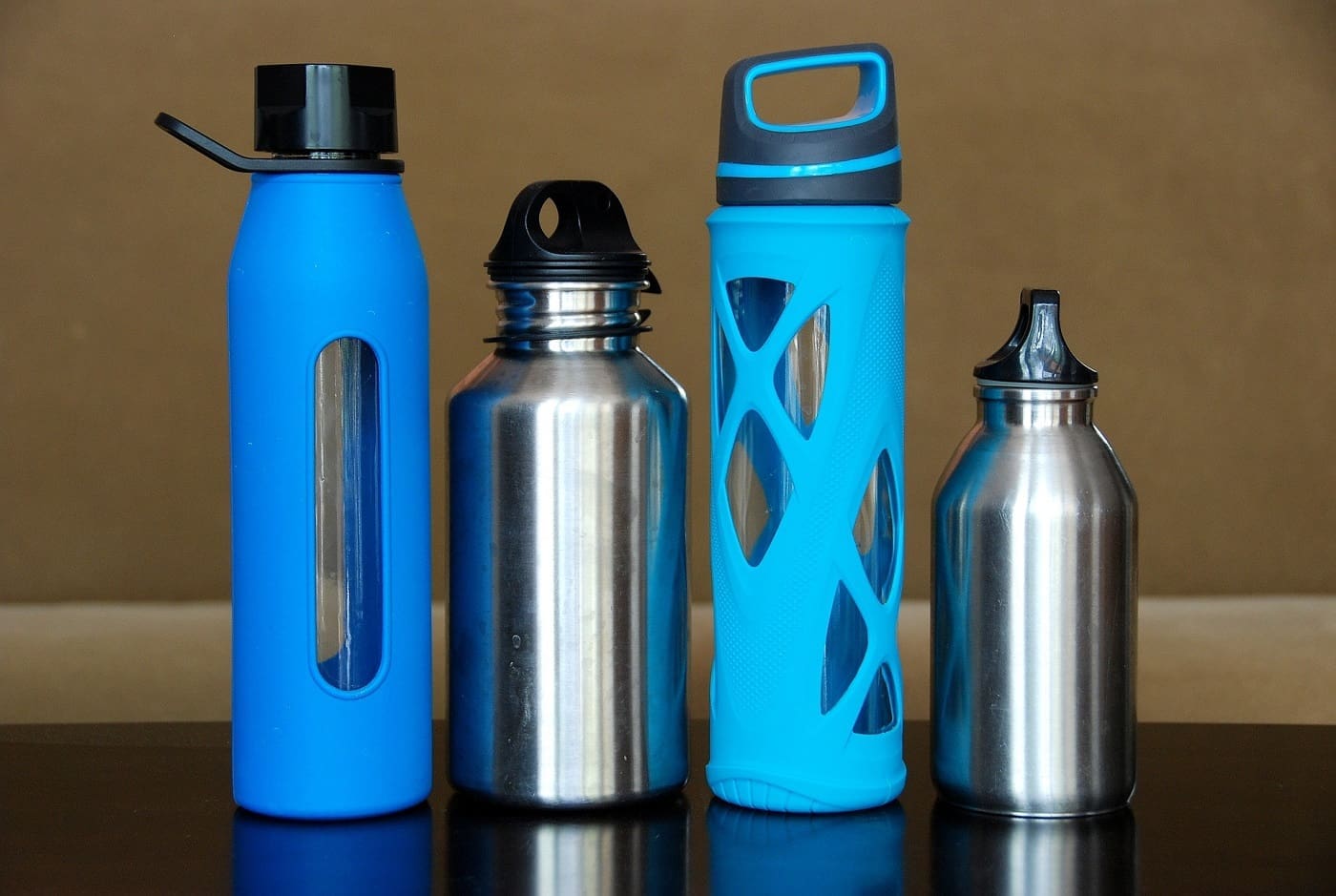
- Reusable food containers, eco-friendly water bottles and travel mugs that are made from glass or metal
- Natural cleaning products that contain biodegradable soaps (and no palm oil!)
When in doubt about whether a product is considered “green” or not, check and see if the company that has produced it is certified by a reputable agency (such as those mentioned above), or check out what materials the product is made with.
The simplest thing to watch out for is any product that’s made with conventional plastic or is considered single-use—these generally aren’t green. Sometimes using one of these might be unavoidable, particularly in a medical setting, but a small effort to use “green” products on the part of many individuals can make a bigger difference than just a few people using sustainable goods all the time.
To learn more about green materials, visit Green Construction: 7 Sustainable Materials and Practices That Are on the Rise»



3.5