
Home construction, renovation and demolition are all sources of waste and runoff that can negatively impact the environment. Thankfully, there are things you can do when building and designing homes that can minimize the environmental footprint of the construction process and the home itself.
If you’re designing a home and want to make some eco-friendly adjustments to your plans, here are six areas of green building design that you should consider.
1. Utilities
There are lots of adjustments you can make to the design of your plumbing and electrical systems to minimize your carbon footprint. Here’s a sampling of some simple adjustments you might choose to make:
- Opting for LED lights, which use less energy than incandescent bulbs
- Installing dimmer switches
- Using solar-powered garden lighting
- Putting in low-flow toilets, shower heads and faucets
- Selecting energy efficient appliances
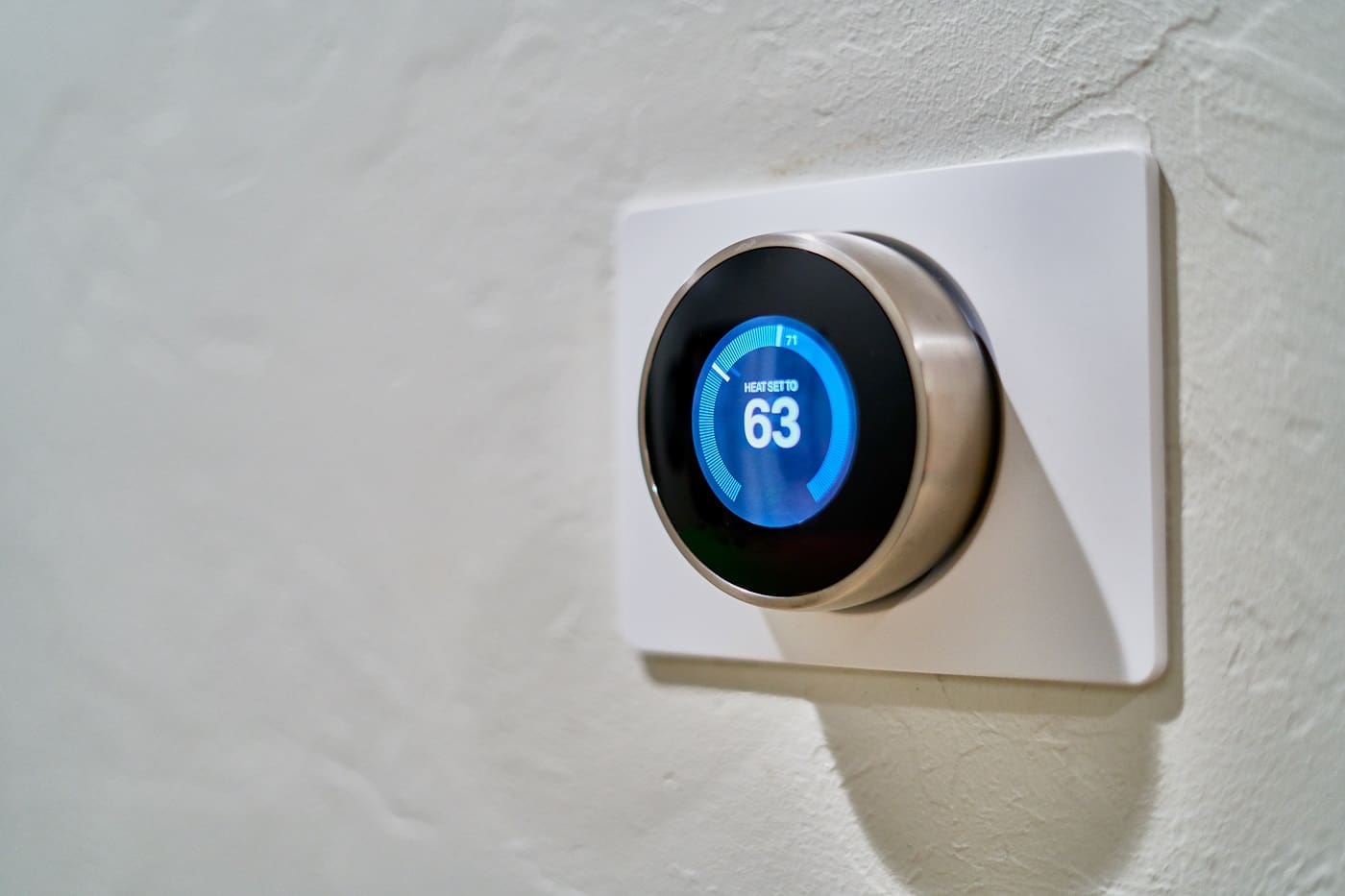
- Making use of a smart thermostat
A wood-burning stove is another staple of any off-the-grid home. Even if you don’t actually live off the grid, one of these can be an excellent alternative heat source, and you may even want to use it for cooking! Hanging clothes by a wood-burning stove is yet another way to save electricity, since the stove will heat your home while making it unnecessary for you to turn on an electric dryer.
These days, renewable energy sources are becoming more and more popular, thus making them less expensive and more accessible to consumers. Options such as solar panels, wind turbines and water turbines can be incorporated into building designs, even for those homes that aren’t going to be off-the-grid. As an added bonus, if you are connected to the grid, you may be eligible for certain rebates, as any unused power your home generates can be shared with others on the grid!
Composting toilets aren’t very common in traditional homes, but they’re another eco-friendly design option that can be incorporated into a green building plan. They don’t rely on traditional sewage systems, but compost the human waste that comes through them naturally instead. A more common eco-friendly toilet option, however, would be a low-flow toilet.
Get the Green Building Project Checklist
Use this handy checklist on your next project to keep track of all the ways you can make your home more energy-efficient and sustainable.
Finally, having a greywater collection system will provide you with an additional source of water for washing pets or vehicles, watering plants and even flushing the toilet. This will enable you to cut down on your use of fresh, clean water while still keeping your household running efficiently.
2. Vegetation
Vegetation is an important part of any green building design, and there are a number of vegetation options that you can use to your advantage.
First, a green roof brings numerous benefits—particularly when it comes to larger buildings, but even for smaller homes. Green roofs help absorb heat and deflect it from a rooftop, which keeps the temperature inside the building below more constant. They also provide extra insulation and filter harmful chemicals out of rainwater runoff.
Growing your own food is another excellent way to reduce your environmental footprint. Of course, it’s more labour-intensive to grow and harvest your own food instead of buying it, but this will lead to reduced carbon emissions because your food won’t have to travel in a vehicle at all! Three more benefits that come with growing and harvesting your own food include:
- Being able to avoid pesticides or other harmful chemicals
- The ability to use rainwater or greywater as a form of irrigation
- Not having to go to the grocery store for deliciously fresh foods
As an added bonus, many municipalities allow for backyard chickens, which can be a wonderful source of enrichment and fresh eggs.
Last but not least, having trees and bushes around your home will provide the home with shelter from the elements, such as wind, sun, rain, snow and ice. Trees and bushes can also help decrease heating and cooling costs within the home by aiding with temperature regulation. For example, trees that provide shade from the sun will decrease your cooling costs in hot weather, and by providing shelter from cold wind and rain, they’ll decrease your heating costs in cold weather.
3. Sustainable Building Materials
The construction industry places an enormous strain on resources such as lumber, concrete, brick and plastic. Choosing sustainable building materials is, therefore, an important step in designing a green building.
Recycled material left behind after the demolition of other buildings can be a great source of more traditional building materials such as lumber, metal and bricks. Even concrete can be pounded down and reused!
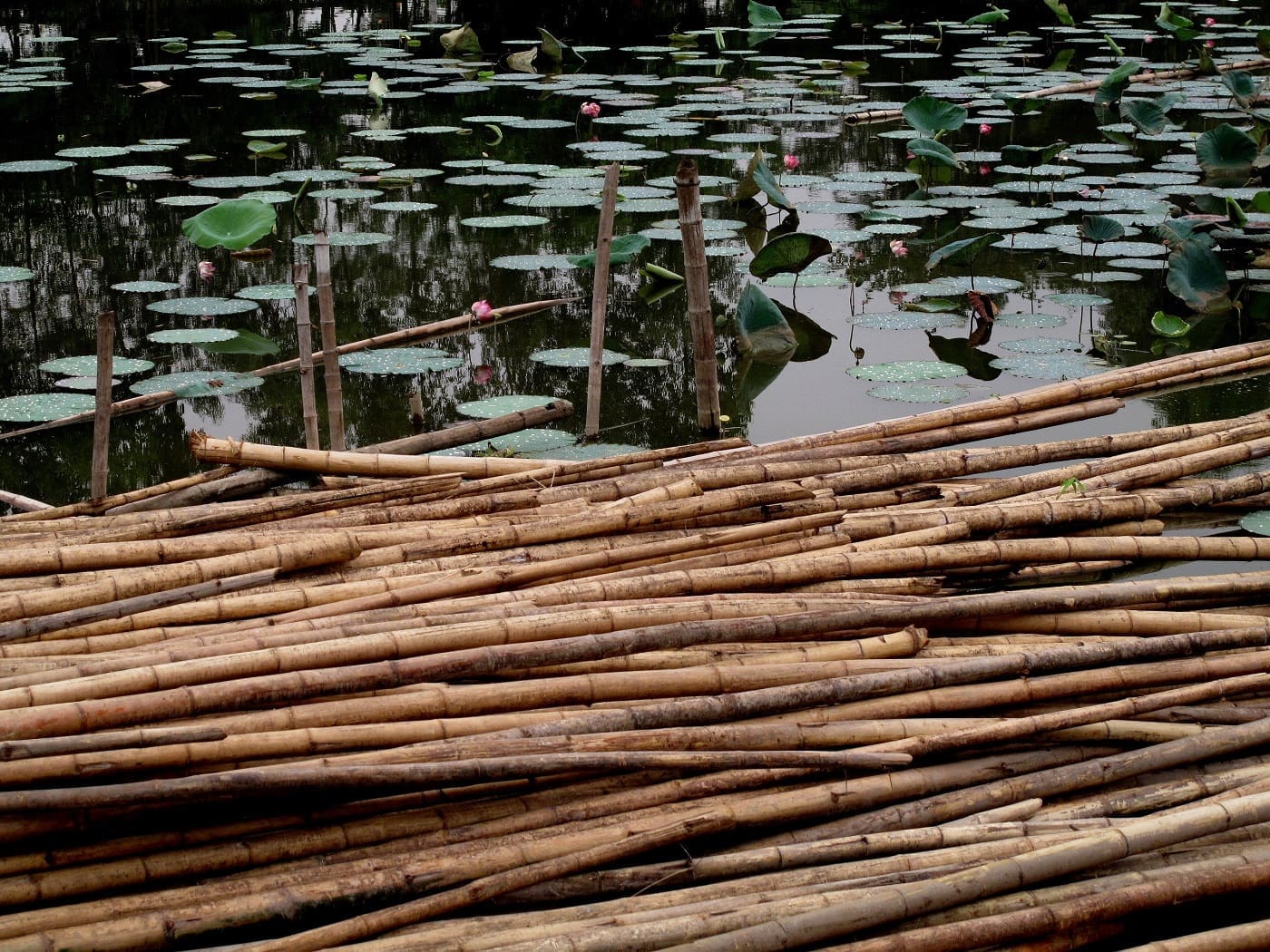
Bamboo is an incredibly sustainable material, due to how rapidly it grows without harmful chemicals or pesticides, and the fact that during demolition, it can eventually be broken down and returned to the Earth (it’s similar to lumber in that way).
Cork is another excellent material that’s highly regulated in such a way that makes it sustainable and plentiful (read more about this here). It’s used so efficiently that every part of the bark ends up being used, including the byproducts. It’s also highly recyclable and biodegradable.
Wool is an insulation material that’s sustainable, too, due to the fact that sheep continually grow their wool, and it’s not harmful (in fact, it’s actually quite necessary) to shear them! Unlike traditional insulation, wool doesn’t contain any potentially harmful chemicals.
Rammed earth and cob are two less common sustainable building materials that are both durable and have great insulating properties that enable them to stay cool in hot weather and warm in cold weather.
For a deep dive into sustainable building materials check out our Green Building Guide to Sustainable Materials.
4. Vintage Reclaimed or Recycled Pieces
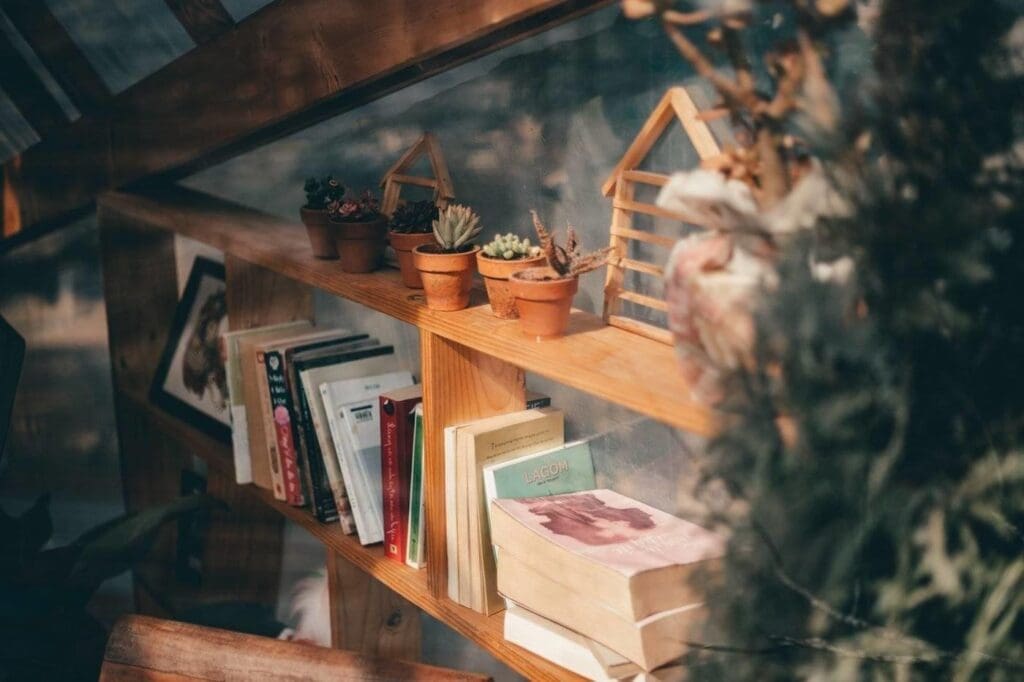
Here’s a design trend that is both sustainable and aesthetically pleasing. Instead of buying a new piece of furniture when you need a new one, try repurposing an old piece, whether it is your own or someone else’s.
Reclaiming and recycling pieces can mean learning how to do the repairs needed to make a piece of furniture usable again instead of buying something new. It can also mean finding a piece that was used before and making it your own. You can find previously owned pieces of furniture at vintage and thrift stores or even online. After you buy a previously used piece, you can touch it up yourself and make it your own.
Buying new pieces for your home when you don’t need to not only creates more waste; it means using more energy and resources to create a new piece of furniture when a perfectly good one already exists (which might itself end up going to waste).
Buying previously owned pieces or touching up pieces you already have can also be an attractive visual design element for your home. This allows you to create exactly what you want at a cheaper cost, while also giving new life to a piece.
5. Install Smart Devices
Smart devices give you the ability to control aspects of your home from remote places. This allows your home to be green because you can control temperature, security and lighting from a device, allowing you to turn them off/down when you aren’t home. This reduces energy usage and utilizes energy more efficiently.
Water conservation can also be realized from using smart devices since they can time irrigation and sprinkler systems and can be programmed to water your landscape based on weather conditions. You also have the ability to automate irrigation and sprinkler systems from a device based on the season.
6. Design for Demolition
Coming up with a plan for a building’s materials, when the building happens to reach the end of its life, is known as design for demolition or DfD. This is another aspect of green building design that prevents building materials from ending up in a landfill; instead, they can be repurposed within other buildings or construction projects.
To read more about living in an eco-friendly home, visit 5 Types of Renewable Energy All Homeowners Should Investigate»

0.5