From Glare to Fresh Air
How 12V Actuators Enhance Building Comfort


When a building adjusts to sun, wind, and occupancy in real time, the magic isn’t in big, dramatic movements, it’s in small, steady ones. That’s where 12-volt motion systems come in. Instead of firing up heavy motors, a low-draw actuator can tilt a louvre a few degrees, crack open a skylight for night cooling, or shift a blind just enough to cut glare. The result? Fewer electrical spikes, slimmer conductors and simpler protection devices.
For designers, this means more freedom at the edge of the system: shorter wire runs, lighter gear and fast, accurate feedback from sensors placed right at the moving part. Compact actuators do one task, continuously, with minimal heat and noise so components last longer and maintenance demands shrink. For building owners, it adds up to reliability, longevity and enhanced comfort through daylight, glare and ventilation control. It also results in modest energy savings by reducing reliance on high-power motors and artificial lighting.
If your project calls for subtle movement in tight spaces, such as shading fins in a double-skin façade or airflow baffles hidden in a classroom plenum, a servo actuator 12v makes the detail practical. Its small form factor and precise positioning prevent chatter or drift, which is critical for daylight harvesting and glare control where just a few degrees can shape comfort and cut lighting loads. Because these devices sip power and work with simple control signals, they drop seamlessly into room controllers and low-voltage networks, helping you keep the mechanical zone compact and the electrical spec lean without sacrificing fine control.
Where the Energy Wins Show Up, Day after Day

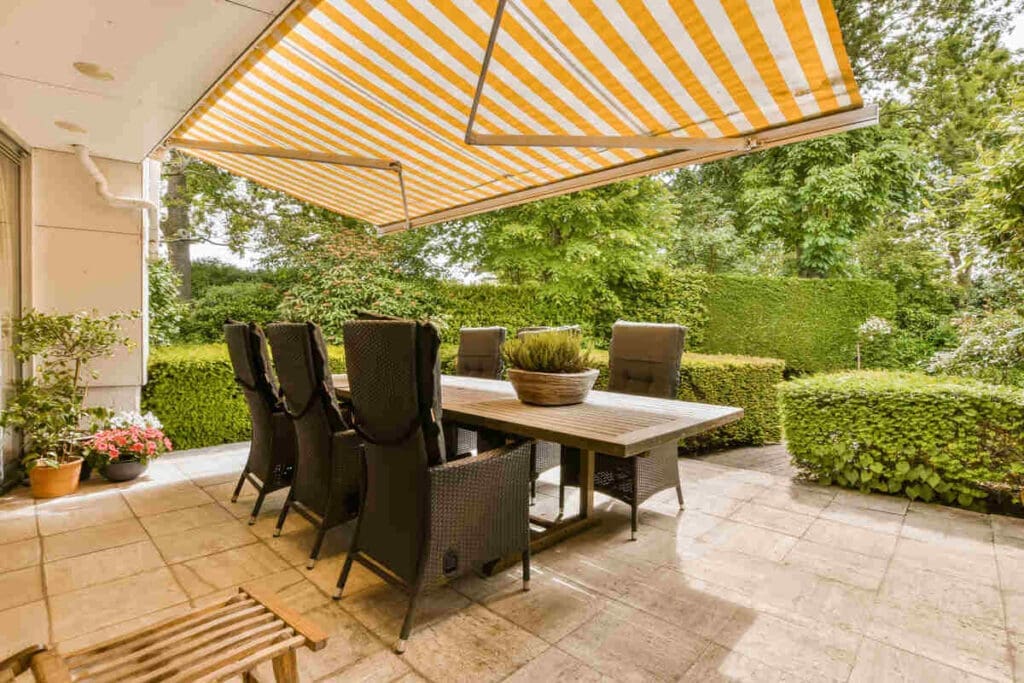
Facade shading is the first clear case. A building that trims solar gain before it enters the envelope needs less cooling, keeps mean radiant temperature comfortable and reduces glare that pushes staff to close blinds and turn on lamps. Low-voltage actuators move external fins or internal blinds in small steps, linked to sun position and cloud cover. Over a week, those micro-moves add up to less hours cooling and lighting. The same logic applies to atrium shades: step down glare at lunch, reopen as the sun drops and keep the space bright without harsh contrast. Each movement is tiny, quiet and cheap in power terms, yet the comfort gain is large and the mechanical system runs easier.
Get the Green Building Project Checklist
Use this handy checklist on your next project to keep track of all the ways you can make your home more energy-efficient and sustainable.
Ventilation is the second case that pays back fast. Night purging relies on opening high, safe points while keeping the building secure. A linear actuator on a clerestory window can lift just enough to clear warm air without letting rain blow in; a sensor loop will trim the opening as wind rises or falls.
In classrooms and studios, roof hatches and leeward vents can open in short steps, so drafts don’t knock papers or chill people near the window. Because these actuators draw modest current, a backup supply can keep purge and smoke-vent paths working during an outage. With smart set points, you’ll see smoother CO₂ curves, fewer complaints and less wear on fans that now run as helpers, not as the only source of fresh air.
Inside the Room: Furniture that Moves, Space that Adapts
Urban spaces and modern buildings need to move with their occupants. Low-voltage actuators quietly adjust tables, counters, vents and baffles – safely, precisely and with minimal wear. In labs, libraries and classrooms, they prevent slams, cool equipment silently and let rooms adapt without heavy lifts or major rewiring.
As far as HVAC goes, small actuators help trim energy waste that often goes unnoticed. Return grilles can leak or howl when dampers sit between positions, but a servo with accurate feedback holds blades precisely, keeping noise low and pressure stable.
In mixed-mode designs, trickle vents over perimeter windows open just enough to freshen air on mild days, allowing the main air-handling unit to idle. When these motions are tied to sensors monitoring temperature, CO₂ and outdoor dew point, the building learns a gentle daily rhythm. Each micro-adjustment preserves comfort and reduces peak loads, preventing oversizing of mechanical systems and lowering energy bills.
Power, Controls and Safety Without the Headache

A core benefit of 12-volt motion is simple power distribution. You can branch from a local supply, run light cable in conduit with data and keep fault energy low. On renovation work, that makes the difference between “can do now” and “needs a shutdown.”
Controls are equally direct: a BMS or room controller can send basic commands (open, close, hold, set position) or accept a small analog signal that maps to stroke. Add a contact for end-of-travel and maintenance teams gain clear status without fishing for stuck parts behind finishes. In wet or food areas, sealed housings and IP-rated connectors keep water out, and low voltage adds peace of mind for staff who clean or reconfigure spaces often.
Good commissioning finishes the job. Teach each actuator its limits, log stroke times and set gentle ramps so starts and stops don’t shake mounts or frames. Pair movements with scenes that reflect real life (eg. morning warm-up, midday shade, evening purge) and leave room for manual override so occupants trust the system and use it. Keep spares on the shelf, and standardize a few models to simplify service across the property.
Done this way, low-voltage motion disappears into the background. The building feels calmer, energy charts flatten and the rooms stay useful far longer than a fixed fit-out would allow. Quiet proof that small, precise movement is a green strategy hiding in plain sight.
Images from Depositphotos