With autumn here and cooler weather approaching, this is the perfect time to get those last outdoor projects done and to start to get winter-ready. If you’ve been looking for ways to make your home a little greener this year, check out this round-up of DIY building projects.
We’ve included projects that are fast and simple and also those that are more time and labour-intensive. No matter how simple, though, these projects are useful builds that will make your home a little more eco-friendly. So get out your tools and get ready to spend a nice fall weekend creating a more sustainable home!
1. Raised Planter Box
It’s not too late to grow your own veggies! Fall is a good time to grow greens like spinach, kale and arugula. Radishes, beets and carrots are also good choices – they grow quickly and don’t mind cooler weather. Raised planter boxes let you grow garden-fresh food, even if your growing space is just a balcony.
Check out this video to learn how to build a DIY raised garden box:
2. Drying Rack
Get the Green Building Project Checklist
Use this handy checklist on your next project to keep track of all the ways you can make your home more energy-efficient and sustainable.
Drying your own clothes is simple and reduces your home’s energy needs more than you might think. Clotheslines are an easy way to cut down on this energy use in fair weather, but the iconic Canadian winter makes drying clothes outside a little less desirable. Fortunately, you should be able to find a good selection of drying racks online and in large home improvement stores, or if you’re handy, you may want to make one yourself.
3. Bee Habitat
The environmental benefits of building a bee habitat are probably self-explanatory. Habitat loss, including nesting sites, is one of the major factors contributing to declining bee populations. Give your local pollinators a safe place to nest this winter. This detailed bulletin from Michigan State University on building wild bee hotels contains instructions, as well as fascinating information about bee habits and habitats.
4. Rain Barrel
Outdoor water wastage is a big problem. The EPA estimates that landscape watering accounts for about one-third of an average household’s water use, but that about 50% of it is wasted through “inefficient irrigation methods and systems.” Collecting your own outdoor water supply from the rain that falls on your roof is one way to make your water use more efficient. To help you do so, the Chesapeake Bay Foundation offers this in-depth guide to building a rain barrel.
5. Composter
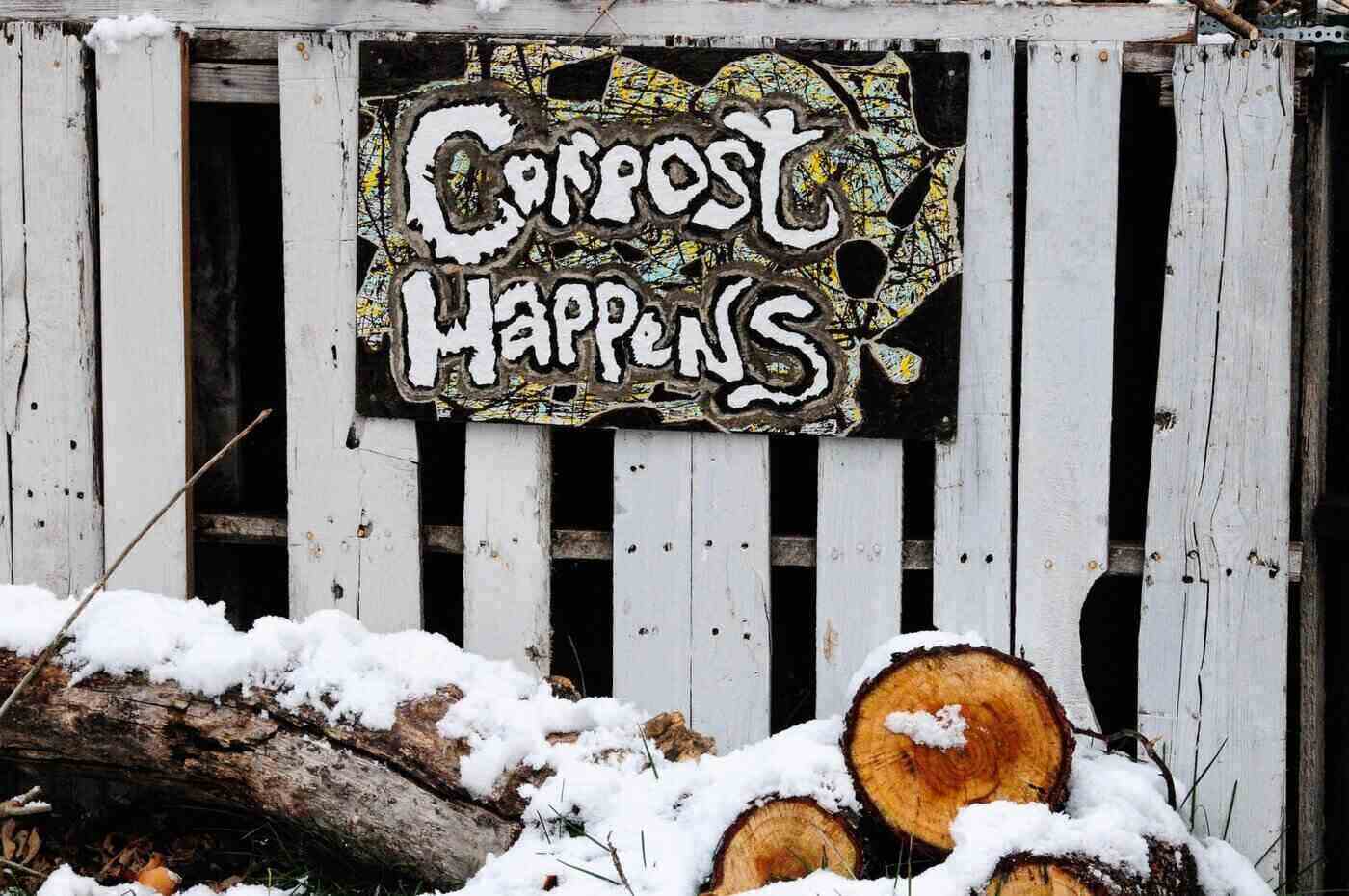
A composter is one of those easy DIY building projects that have long-lasting environmental benefits. Composting diverts waste from landfills, redirects food waste, enriches your garden without chemical fertilizers and even helps trap carbon. To read more about composting and other sustainable living strategies for your residence, visit 9 Ways to Make Your Home More Sustainable.
6. Insulated Box for Attic Stairs
A poorly insulated attic can be a major source of heat loss in the winter. In the National Post, beloved home expert Mike Holmes says that an improperly ventilated and insulated attic can “cost you, either through your furnace running over time, or through damage because the structure can’t adapt to the winter season.”
Give your attic some extra help by making sure all entry points are properly insulated. Energy.gov offers these step by step instructions for building an insulated cover box for your attic stairs. It’s a straightforward job that can make your attic just that much more airtight.
7. Solar Cooker
Cooking food with the sun? Absolutely possible! Cooking with solar is one way to reduce energy costs and cut the carbon footprint of your home. Building solar ovens and cookers can be as simple or as involved as you want it to be. Solar Cookers International Network has a huge number of plans from simple set-ups to beautiful outdoor cob ovens.
8. Solar Powered Water Heater
Although it might not occur to many of us to do it, a passive solar water heater is a project you can make yourself. From dishwater to showers, you can save a lot of energy using a passive solar system to heat water. And if you’re adventurous enough, you can save a lot of money by building that system yourself. For more on solar water heaters, visit How to Efficiently Heat Water Outdoors.
9. Chicken Coop
Having a backyard chicken coop is becoming more and more common, even in urban spaces. Backyard chickens give you fresh, organic eggs that are as local as food gets. Plus, you get the peaceful country feeling of watching your flock peck their way around your backyard space. Pre-built chicken coops can be expensive, but coops are DIY building projects that just about anyone can do.
Chickens, of course, are living beings who matter and need specific care. They shouldn’t be purchased without careful consideration.
Check out this DIY backyard chicken coop build:
10. Green Roof for a Shed
Green roofs are an underused but high-impact way to make a home more eco-friendly. They naturally insulate a home, absorb air pollution, provide habitats for birds and insects and filter stormwater runoff. Building a green roof for the home you live in might be a big enough project to give you some pause. Something smaller, like a shed, garage or other outbuilding, is an excellent place for a do-it-yourselfer to start.
Wherever you decide to put your green roof, consult a contractor or structural engineer first. You’ll want to make sure your outbuilding can support the additional weight of a green roof.
11. Wind Turbine
While not for the absolute novice DIYer, wind turbines aren’t nearly as daunting to build as they sound. Even a small wind turbine offers green, renewable energy that can help you cut your energy bills significantly, if you have the right site conditions. If you’re not experienced with green building, though, you should consult a professional before you even consider starting to build an apparatus such as this.
Feature image: Philip Swinburn; Image 1: Toni Reed